
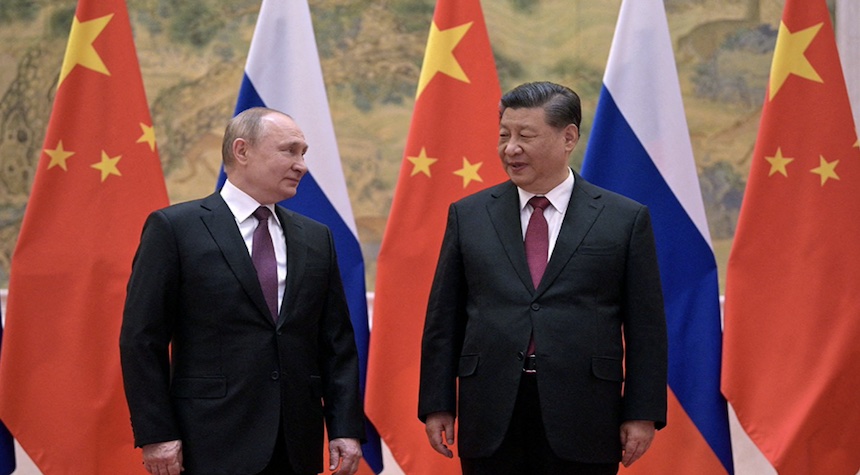
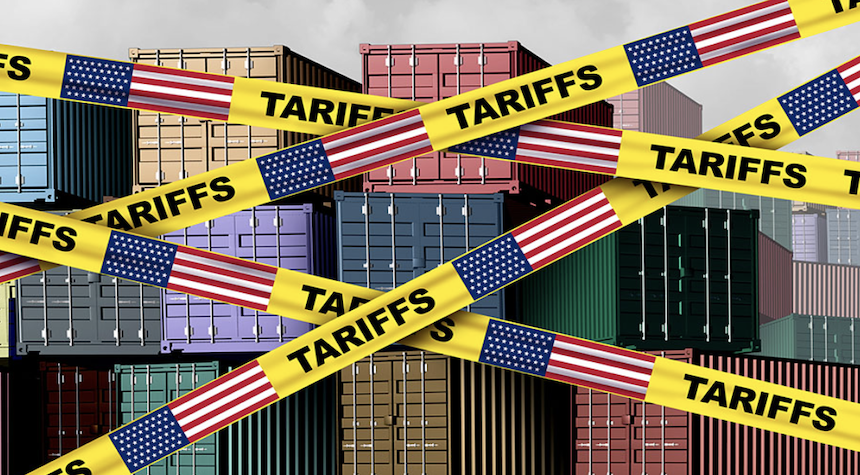
U.S. and European officials have convened at the Treasury Department to discuss potential economic measures against Russia. The meeting, which took place on Monday evening, focused on various forms of pressure, including new sanctions and tariffs on Russian oil purchases.
U.S. officials emphasized President Trump’s willingness to take significant actions to end the conflict in Ukraine, but stressed the need for full cooperation from European partners. The discussions, lasting less than two hours, covered tariff actions, the importance of collective sanctions, and the management of immobilized Russian sovereign assets in Europe.
You May Also Like: Japan’s Prime Minister Shigeru Ishiba Steps Down in Surprise Resignation
The U.S. delegation included representatives from the Treasury Department, led by Secretary Scott Bessent, as well as officials from the White House, State Department, and U.S. Trade Representative’s office. Their European counterparts comprised staff specializing in energy, sanctions, financial services, and trade.
President Trump has been attempting to broker direct negotiations between Russian President Vladimir Putin and Ukrainian President Volodymyr Zelenskyy to end the 3 1/2-year conflict. This meeting follows Trump’s recent summit with Putin in Alaska and comes after the expiration of a Trump-imposed deadline for Russia to end its invasion.
Resolving this conflict has proved more challenging than initially anticipated. President Trump acknowledged this difficulty on Sunday, stating, “I believe we’re going to get it settled,” and expressing confidence in eventual resolution. He also indicated that he expects to speak with President Putin in the coming days.
As this situation continues to unfold, it raises important questions about the effectiveness of economic pressure and the potential for diplomatic breakthroughs. The facts, as we now know them, underscore the complexity of international negotiations and the ongoing efforts to find a peaceful resolution to the conflict in Ukraine.