
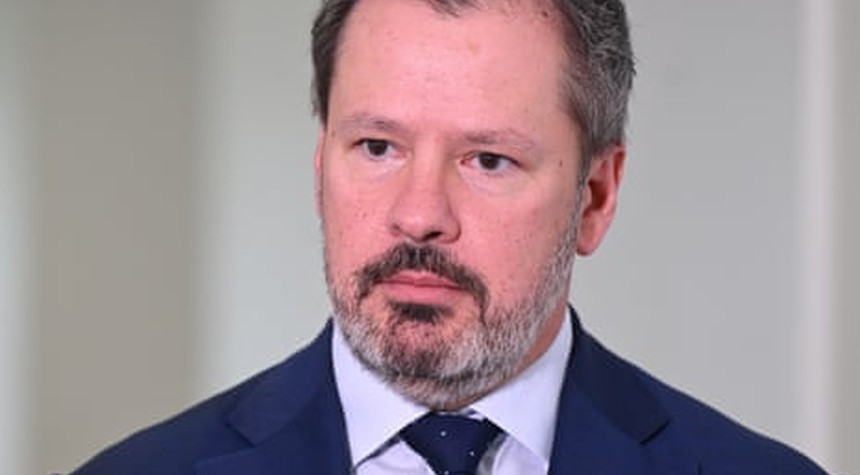
Australian Labor Member of Parliament Ed Husic has called for his government to establish firm boundaries with Israel, including comprehensive sanctions, termination of defense cooperation, and a prohibition on supplying components for F-35 fighter aircraft.
The member for Chifley, who previously served as minister for industry and science, argues that Canberra has demonstrated excessive patience with what he characterizes as a pattern of unacceptable conduct by Prime Minister Benjamin Netanyahu’s government.
“We’ve tolerated this for too long,” Husic stated. “We’ve issued statements, and they’ve been important in terms of flagging our view, but at some point the statements have got to end and the action needs to begin.”
The call for decisive measures follows several incidents that have strained relations between Australia and Israel. These include the treatment of activists aboard the Global Sumud Flotilla, the death of Australian aid worker Zomi Frankcom, and damage to Australian war graves.
Most recently, tensions escalated when Israel’s national security minister, Itamar Ben-Gvir, reportedly taunted detained flotilla activists. The incident prompted Australia’s Foreign Minister Penny Wong to summon Israel’s ambassador for consultation. Both Wong and Prime Minister Anthony Albanese have issued condemnations of the actions.
Israeli officials have contested allegations of mistreatment, maintaining that all prisoners and detainees were handled according to established legal procedures. Hillel Newman, Israel’s ambassador to Australia, characterized the treatment of detained flotilla members as conducted with “great sensitivity.”
According to Husic, discontent regarding Israel’s conduct has been mounting among Labor parliamentarians. The growing unease represents a potential shift in Australia’s traditionally supportive stance toward the Jewish state, though it remains to be seen whether the Albanese government will adopt the harder line Husic advocates.
Australia previously sanctioned Ben-Gvir in June, demonstrating a willingness to take individual action against Israeli officials deemed responsible for objectionable conduct. However, Husic’s proposals would represent a substantial escalation in Australia’s response.
The suggestion to halt supply of F-35 components carries particular significance. Australia participates in the international consortium that manufactures parts for the advanced fighter aircraft, and such a move would affect not only Israel but potentially the broader defense partnership network.
This development reflects broader international tensions surrounding Israel’s policies and actions. As a middle power with significant regional interests, Australia has traditionally sought to balance its Western alliance commitments with relationships across the Middle East and Asia.
The question now facing Canberra is whether diplomatic protests and limited sanctions remain adequate responses, or whether Australia’s national interests and values require more substantial measures. Husic clearly believes the time for stronger action has arrived, though whether his views will translate into government policy remains uncertain.
Related: World Cup Organizers Shift Iranian Team to Tijuana Following American Decision