
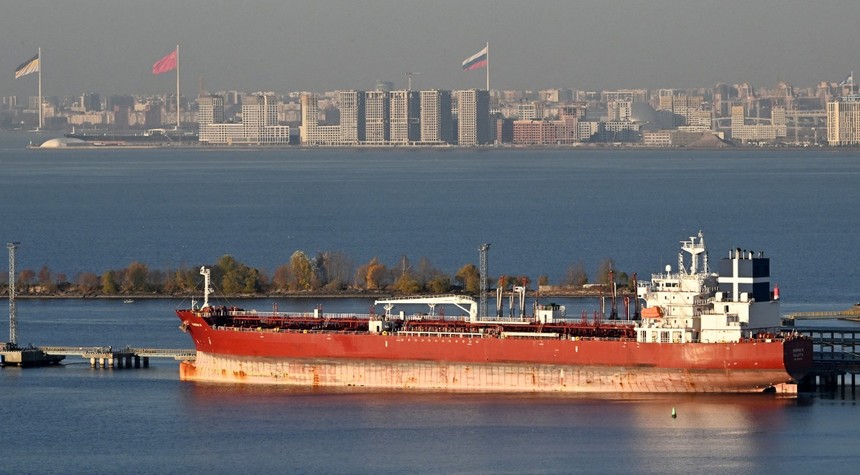
A tanker laden with diesel fuel departed Russia on Friday bound for the United States, marking the first such shipment since President Donald Trump reached an agreement with Russian President Vladimir Putin to increase fuel supplies to global markets.
The development follows Trump’s decision two weeks ago to ease certain sanctions imposed on the Kremlin, with additional waivers granted since that initial action. This reversal of longstanding American policy comes as Moscow continues its illegal invasion of Ukraine, raising questions about the administration’s strategic priorities as midterm elections approach.
The Kremlin confirmed the vessel’s departure. Maritime tracking data indicates that the Malta-flagged tanker “Agioi Fanendes” left the Russian port of Primorsk on Friday with New York listed as its destination. Energy Aspects, a market intelligence firm, verified through industry sources that the vessel loaded approximately 298,000 barrels of diesel at Primorsk and currently plans to discharge its cargo in New York.
The tanker is scheduled to arrive on Tuesday, November 10, just after voters head to the polls for midterm elections. Republicans face potential losses in both House and Senate races, with consumer frustration over elevated energy prices emerging as a significant factor in campaign dynamics.
The Trump administration has undertaken various initiatives to reduce fuel costs, which have risen sharply following supply disruptions related to conflicts involving Iran and the ongoing Russia-Ukraine war. The president’s efforts to improve relations with Moscow while pressuring Kyiv to negotiate an end to hostilities have drawn sharp criticism from Ukraine and bipartisan congressional supporters of Ukrainian sovereignty.
Kremlin spokesman Dmitry Peskov stated Friday morning that the Ministry of Energy had reported the first tanker’s departure, noting that additional shipments would continue regularly.
Global oil markets reflected continued pressure, with crude oil approaching its third consecutive weekly gain. Brent crude, the international benchmark, traded near $114 per barrel, approximately $13 below its highest level this year. Diesel fuel prices have surged dramatically since January, climbing from $3.55 per gallon to $6.32, representing an unprecedented 78 percent increase.
The practical impact of this single shipment appears modest. Energy Aspects analysts characterized the cargo’s effect as likely “limited” given the scale of American consumption. Current United States daily diesel demand stands at approximately 3.8 million barrels, meaning Friday’s shipment would satisfy less than one day of domestic usage.
Nevertheless, economists have expressed particular concern about diesel price increases due to the fuel’s pervasive role in the American economy. KPMG chief economist Diane Swonk explained in August that diesel costs permeate virtually every sector, from agricultural operations to food production and the shipping of goods throughout the economy. Each increase in diesel prices adds fees across the supply chain.
Bank of America’s head of global commodities, Francisco Blanch, noted in a recent analysis that global distillate markets have experienced sharp tightening, signaling acute supply constraints in the sector.
The political implications of this arrangement extend beyond immediate price relief. The decision to ease sanctions on Russia while its military operations continue in Ukraine represents a significant shift in American foreign policy, one that has generated controversy among traditional allies and domestic critics who view the move as undermining support for Ukrainian independence and territorial integrity.
Related: Israeli Forces Kill Two Gunmen After West Bank Checkpoint Attack Injures Five