
Iran has leveled serious accusations against Qatar regarding three pilots Tehran claims were captured during military operations in March, marking yet another complication in the Middle East’s already volatile security landscape.
General Mohammad Bagherzadeh of the Iranian armed forces stated that a team of air force experts has been prepared for months to travel to Qatar for an on-site investigation. According to the general, Qatari authorities have persistently delayed this effort, preventing what Iran describes as the return of its pilots to their homeland. The accusation represents a significant escalation, as Tehran initially reported only one pilot killed and others missing following the March sortie, without mentioning any captures at the time.
The allegations center on an operation Iran says it conducted against Al Udeid air base, a major American military installation in Qatar. Bagherzadeh demanded the release of the three pilots and called on Doha to authorize the investigative team’s travel.
Qatar has categorically denied holding any Iranian pilots. The Gulf state maintains it extended an invitation to Iran in April to receive briefings on search and rescue operations, an invitation Tehran has not yet accepted according to Qatari officials.
This dispute unfolds against the backdrop of continuing instability across the region. The conflicting narratives between the two nations raise questions about what actually transpired during the alleged March incident and why Iran waited months before publicly claiming its pilots were captured rather than simply missing.
In separate developments within Iran, the judiciary announced the execution of a man convicted of attacking police officers during anti-government protests. Shahram Sadeghi was put to death for what authorities described as an operational action supporting Israel and the United States. Officials said he drove his vehicle into several police officers in Karaj, west of Tehran, on January 8, injuring seven.
The execution relates to protest movements that began in late December over economic hardships and evolved into widespread anti-government demonstrations. Iranian authorities have reported more than three thousand deaths, attributing the violence to what they characterize as terrorist acts orchestrated by Washington and Tel Aviv. International human rights organizations dispute this account, maintaining that security forces opened fire on protesters.
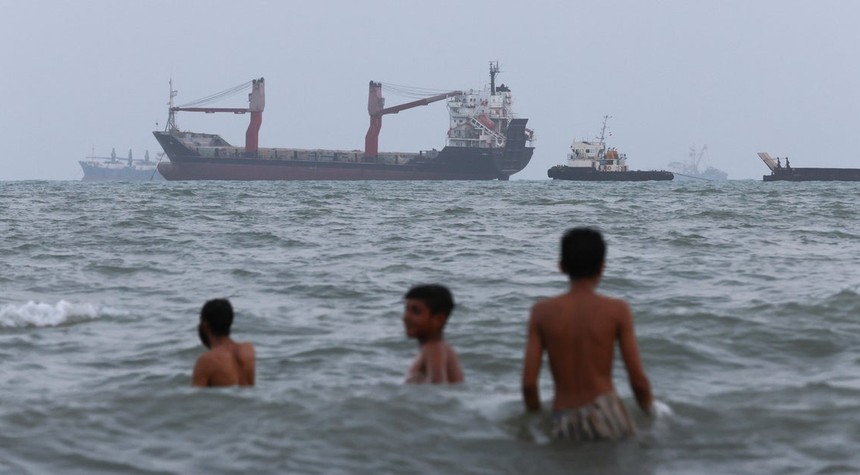
Meanwhile, global shipping continues adapting to regional instabilities. A Chinese container vessel has departed for Europe via the Arctic route, establishing new weekly service that allows ships to bypass the Red Sea entirely. The vessel left Ningbo on Saturday, bound for the United Kingdom through the Bering Strait and along Russia’s northern coast.
This routing decision reflects the ongoing threat posed by Iran-backed Houthi forces in Yemen, who have targeted commercial shipping in the Red Sea. The development demonstrates how regional conflicts driven by Iranian proxies are reshaping international commerce and forcing costly adjustments to established trade routes.
These interconnected events underscore the persistent challenges facing stability in the Middle East and the ripple effects such tensions create across global systems.
Related: Australian Housing Proposal Would Make Energy Efficiency Optional