
Communities across the Florida Panhandle are engaged in what promises to be a lengthy recovery process following Hurricane Isaias, which made landfall near Destin on Friday, October 9, as a Category 2 storm with maximum sustained winds of 105 miles per hour.
The hurricane brought destructive winds, dangerous storm surge, and widespread flooding to the region, tearing roofs from buildings, uprooting trees, and leaving hundreds of thousands of customers without power across Florida and Alabama. The storm then continued its destructive path inland, compounding the challenges facing emergency management officials.
Josh Gill, Incident Commander with the United Cajun Navy, reported that volunteer organizations have mobilized alongside local authorities to assist residents in clearing debris and beginning the rebuilding process. The scenes from the hardest-hit areas reveal the substantial task ahead, with photographs showing homes partially destroyed, apartment complexes stripped of their roofs, and neighborhoods transformed into obstacle courses of fallen trees and scattered wreckage.
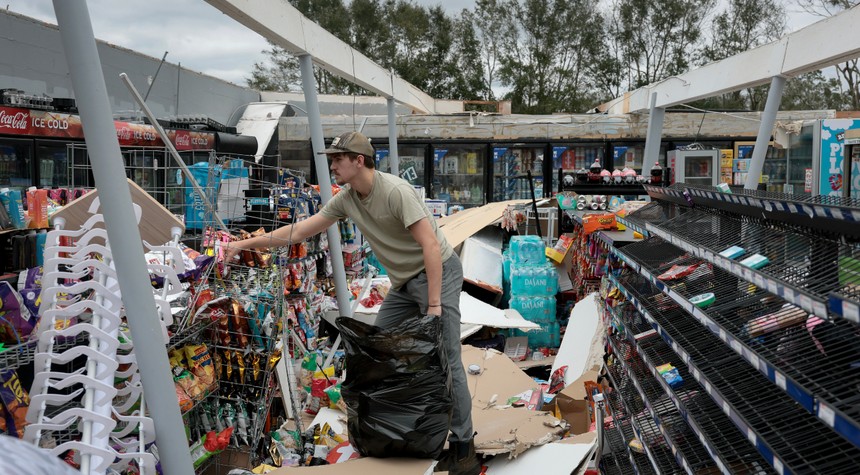
In Milton, Florida, one of the communities bearing the brunt of the storm’s fury, residents such as Copper Brock worked to salvage what they could from damaged businesses, including the Milton Quick Stop, which lost its roof entirely. Nearby, Alex and Laura Dean confronted the severe damage to their home, joining countless other families facing similar circumstances.
The storm’s timing and context merit particular attention. Hurricane Isaias became the first hurricane to strike the U.S. Gulf Coast since Hurricane Milton devastated Florida in October 2024, marking nearly a two-year gap between major landfalls in the region. Additionally, Isaias holds the distinction of being the first hurricane of the 2026 Atlantic season, ending an unusually quiet stretch that saw no hurricane development until October.
This delayed start to hurricane activity, while initially welcomed by coastal residents, ultimately proved no guarantee of reduced impact. The storm’s arrival served as a stark reminder that hurricane season remains a serious threat regardless of when the first storm materializes.
Florida’s response has been substantial, with state authorities deploying extensive resources to clear roadways and restore power to affected areas. Aerial footage captured workers from various services removing trees from homes and working to restore basic infrastructure that communities depend upon for daily functioning.
The recovery effort now underway represents a test of resilience for these Gulf Coast communities. Emergency crews and volunteers alike face the monumental task of not merely clearing debris, but helping families and businesses rebuild their lives and livelihoods. The images emerging from places like Milton paint a sobering picture of nature’s capacity for destruction and humanity’s obligation to respond.
As cleanup operations continue, the full extent of the damage is still being assessed. What remains clear is that the residents of Florida’s Panhandle face weeks, if not months, of recovery work. The spirit of volunteerism exemplified by organizations like the United Cajun Navy offers hope that these communities need not face this challenge alone.
The question now is not whether these communities will recover, but how quickly and completely that recovery can be achieved with proper support and determination.
Related: Thirty-Two Nations Condemn Iran After Thwarted Plot at US Military Base in England