
The Islamic Republic of Iran has issued a defiant response to American military operations and diplomatic overtures, rejecting ceasefire proposals and threatening expanded retaliation against both the United States and Israel.
The escalation follows President Donald Trump’s address to the nation Wednesday evening, in which he stated American forces were “very close” to achieving their objectives in the ongoing confrontation. The president warned that military operations would intensify unless Tehran agreed to negotiate, noting the substantial degradation of Iranian naval and air capabilities.
Earlier in the day, Trump indicated through social media that Iranian officials had requested a cessation of hostilities. The president set conditions for any potential pause in operations, stating that the Strait of Hormuz must be opened to free passage before negotiations could proceed. Trump characterized the current campaign as reducing Iranian military capacity to minimal effectiveness.
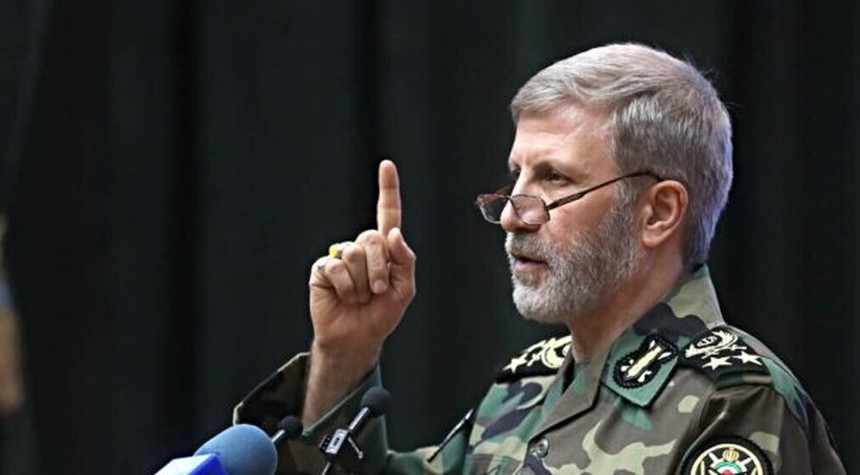
Iran’s military command structure responded with categorical rejection of these claims. The Khatam Al-Anbiya command center, speaking through state television, issued warnings of “more crushing, broader, and more destructive actions” against American and Israeli interests. The statement invoked religious conviction and promised continued operations “until your humiliation, disgrace, permanent and certain regret, and surrender.”
The rhetorical exchange coincided with renewed hostilities. Israeli air defense systems were activated in response to incoming threats, with authorities reporting impacts at several locations. Four individuals sustained minor injuries in the Tel Aviv metropolitan area, according to emergency services.
Iranian officials have consistently dismissed American diplomatic initiatives as unrealistic. Tehran characterizes Washington’s terms as “maximalist and irrational,” suggesting a fundamental gap between the two nations’ positions on potential settlement terms.
The current confrontation represents a significant shift in regional power dynamics. Iran’s naval forces, long considered a potential threat to commercial shipping through the Persian Gulf’s critical waterways, have sustained considerable damage. The regime’s ability to project power beyond its borders has been substantially diminished.
For American policymakers, the situation presents both opportunity and risk. The degradation of Iranian military capabilities may create conditions favorable to diplomatic resolution, yet Tehran’s defiant posture suggests the regime retains both the will and capacity to continue resistance despite tactical setbacks.
The international community watches with concern as two nations exchange threats and military strikes. The Strait of Hormuz remains a chokepoint for global energy supplies, and any extended closure or military confrontation in these waters carries significant economic implications far beyond the immediate combatants.
As this situation develops, the fundamental question remains whether military pressure will compel Tehran toward negotiation or whether the regime’s ideological commitments will sustain resistance regardless of material cost. The coming days will likely prove decisive in determining which path this confrontation ultimately takes.
Related: United States Prepares Historic Return to Lunar Exploration After Fifty Years