
Iran has issued stark warnings to South Korea against participating in international efforts to secure the Strait of Hormuz, threatening what Tehran describes as “serious consequences” should Seoul deploy military assets to the strategically vital waterway.
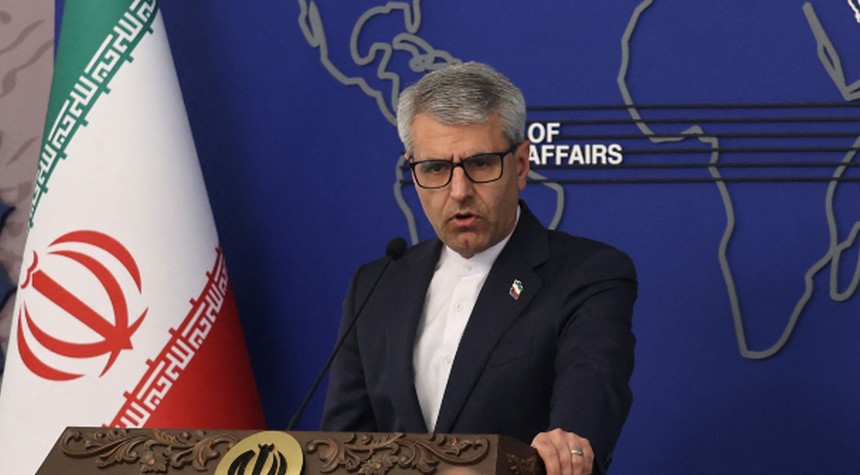
Iranian Foreign Ministry spokesman Esmaeil Baqaei delivered the warning on Monday through social media channels, framing any South Korean involvement in Gulf security operations as direct complicity in what he characterized as American aggression against the Iranian people.
The threat comes as the South Korean government weighs its options for contributing to maritime security in the region. Seoul acknowledged on Friday that while no final decisions have been made, discussions are underway regarding possible deployment of troops, maritime patrol aircraft, and support vessels to the area.
Baqaei’s statement began with conciliatory language, acknowledging 64 years of mutual respect and friendly relations between the two nations. However, his message quickly shifted to confrontation, warning that any nation maintaining a military presence in the Persian Gulf or Strait of Hormuz would be viewed as supporting what Iran calls war crimes against its civilian population.
The timing of these deliberations in Seoul appears connected to broader diplomatic considerations with Washington. President Donald Trump recently expressed disappointment with South Korea for declining to support American efforts toward Iranian denuclearization. The government of South Korean President Lee Jae-myung is now reportedly considering what contributions it might make to restore favorable relations with the United States.
The stakes extend beyond military posturing. Iranian academic Mohammad Marandi, speaking to Arab media outlets on Sunday, outlined Tehran’s potential leverage over South Korean interests throughout the Gulf region. He noted Seoul maintains substantial economic assets in Saudi Arabia, Bahrain, Kuwait, the United Arab Emirates, and Qatar, all of which he suggested would become vulnerable targets should South Korea align itself with American maritime operations.
Marandi’s comments carried a dismissive tone regarding the military value of any South Korean contribution, questioning what meaningful impact one or two ships could provide. Yet he simultaneously warned that Iran would respond not merely against South Korean military assets but against Seoul’s economic interests across the entire Persian Gulf region.
The Strait of Hormuz remains one of the world’s most critical maritime chokepoints, with roughly one-fifth of global oil supplies transiting through its narrow passage. Control and security of these waters have been persistent sources of international tension, particularly as Iran has previously threatened to close the strait during periods of heightened conflict.
For South Korea, the situation presents a difficult calculus. The nation depends heavily on energy imports from the Gulf region and maintains significant trade relationships throughout the area. Simultaneously, Seoul’s security alliance with Washington and its economic interests in maintaining positive American relations create pressure to demonstrate solidarity with United States initiatives.
As these diplomatic maneuvers unfold, the fundamental question remains whether Iran’s threats will prove sufficient to deter South Korean participation or whether Seoul will determine that maintaining its relationship with Washington outweighs the risks Tehran has outlined. The answer will likely provide insight into how regional powers assess both Iranian capabilities and American influence in an increasingly complex geopolitical landscape.
Related: Trump Administration Expands Third Country Deportation Program to Guyana