
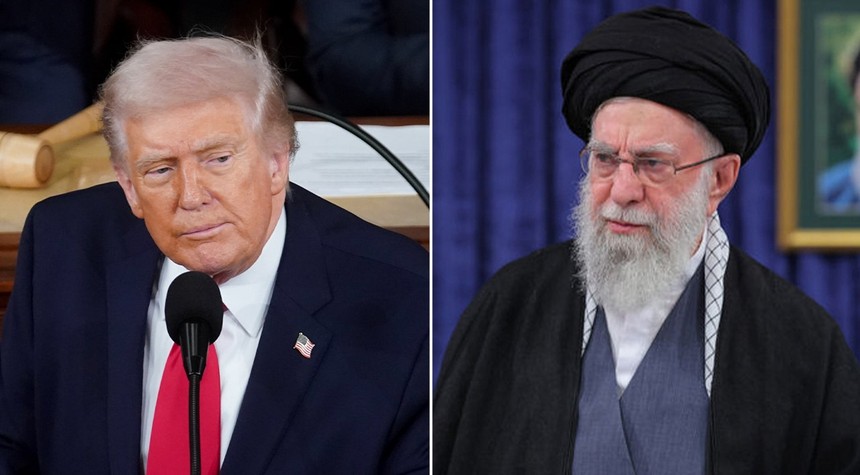
New testimony from Iran’s foreign minister has provided the clearest picture yet of the precision strike that killed Supreme Leader Ali Khamenei and forty senior Iranian officials in late February, offering insight into what counterterrorism analysts are calling a watershed moment in American national security policy.
Iranian Foreign Minister Abbas Araghchi, speaking in a television interview that aired June 4, described the moments when American and Israeli forces struck the compound where he and Iran’s top leadership had gathered. His account reveals both the surgical nature of the operation and his own narrow escape from death.
“The building we were sitting in was targeted, but the wing we were in remained intact while the other wing of the building was destroyed,” Araghchi stated in the interview with a Lebanon-based television network. The foreign minister survived because he had been meeting in a different section of Khamenei’s compound when the strike occurred on February 28.
The operation, designated Epic Fury, represents what experts describe as a fundamental shift in how the United States confronts hostile regimes. Rather than prolonged military engagement or incremental pressure campaigns, the joint American-Israeli strike eliminated Iran’s supreme leader and the upper echelon of the regime’s command structure in a single, coordinated attack.
Counterterrorism specialists who have analyzed Araghchi’s testimony point to the intelligence precision required to execute such an operation. The strike teams knew not only which building housed the Iranian leadership but which specific wing of that structure Khamenei occupied at the time of the attack. This level of operational detail suggests deep penetration of Iranian security by Western intelligence services.
The foreign minister’s survival, meanwhile, appears to have been deliberate rather than accidental. Analysts note that the Trump administration’s approach to the operation included what they term an “off-ramp”—a pathway for remaining Iranian officials to de-escalate rather than retaliate. By eliminating the regime’s hardline leadership while leaving some officials alive, the operation created space for a fundamental shift in Iranian policy without requiring a full-scale invasion or occupation.
Satellite imagery released in the weeks following the strike has corroborated Araghchi’s account, showing extensive damage to specific sections of the compound while other areas remained structurally sound. The images provide rare visual evidence of the operation’s effects deep inside Iranian territory.
The February 28 strike marked the culmination of years of escalating tensions between Tehran and Washington. Iran’s nuclear program, its support for proxy forces throughout the Middle East, and its threats against Israel had long concerned American policymakers. Previous administrations had pursued diplomatic engagement, economic sanctions, and limited military responses to Iranian aggression.
The decapitation strike represented a departure from that approach. Rather than managing the threat posed by Iran’s leadership, the operation eliminated it entirely. Whether this strategy produces lasting change in Iranian behavior or triggers unforeseen consequences remains the central question facing policymakers in Washington and allied capitals.
For now, Araghchi’s testimony stands as a historical record of the night Iran’s supreme leader was killed and the Islamic Republic’s leadership structure was fundamentally altered by American and Israeli military action.
Related: U.S. Air Patrol Tracks Disabled Migrant Vessel Before Rescue Operation