
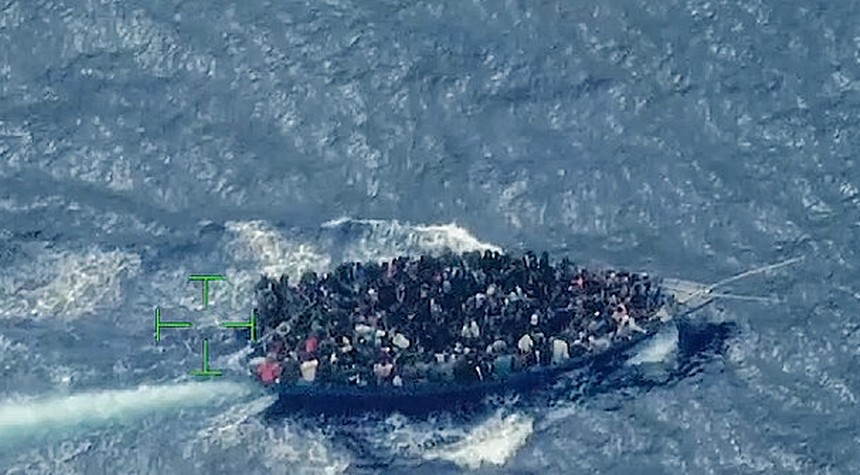
A coordinated international rescue operation saved 240 migrants from a failing vessel in the Atlantic Ocean last week, underscoring both the persistent dangers of maritime migration and the effectiveness of multinational cooperation in preventing tragedy at sea.
U.S. Customs and Border Protection Air and Marine Operations detected the distressed craft on the afternoon of May 31 approximately 65 miles south of the Turks and Caicos Islands. The 50-foot Haitian wooden vessel, equipped with two outboard engines and carrying more than four times a safe passenger load, was heading north when American surveillance aircraft first identified it.
What began as routine maritime monitoring quickly evolved into a life-saving mission. The Jacksonville-based Multi-Role Enforcement Aircraft crew immediately relayed coordinates to Turks and Caicos authorities and maintained continuous surveillance, providing updates on the vessel’s speed and heading as the situation deteriorated.
The U.S. Coast Guard assumed surveillance duties as conditions aboard the overcrowded craft worsened. One of the vessel’s two engines had failed, and the boat was taking on water at an alarming rate. Officials observed passengers frantically bailing three to five gallons of water per minute in a desperate attempt to keep the vessel afloat.
“Our crews are trained to respond quickly and effectively to situations like this, where lives are at risk,” stated Drew Gellerson, Director of Air and Marine Operations in Jacksonville. “Working closely with our partners, we were able to track the vessel and provide critical information to ensure a safe rescue. This incident highlights the importance of international cooperation in protecting lives at sea.”
By sunset, the vessel was dead in the water. Passengers continued their futile efforts to bail water from the sinking craft as darkness fell over the Atlantic. Turks and Caicos authorities launched four surface vessels to effect the rescue.
Shortly after midnight, rescue vessels reached the stranded migrants and brought all 240 aboard to safety. The rescued individuals included 191 adult males, 44 adult females, and five minors. Turks and Caicos law enforcement took the passengers and crew into custody before they could reach U.S. territorial waters.
Authorities have not disclosed the nationalities of those rescued, though the vessel’s Haitian origin suggests the likelihood of Haitian nationals fleeing their country’s ongoing political and economic turmoil. The investigation into this smuggling operation continues.
This incident represents one among many such perilous journeys attempted in Caribbean waters. The dangers are substantial and well-documented. Overcrowded vessels, inadequate safety equipment, and unscrupulous smugglers create conditions where tragedy is not merely possible but probable.
The successful rescue demonstrates the value of coordinated surveillance and response capabilities between American forces and regional partners. Without the initial detection by U.S. air assets and the subsequent response by Turks and Caicos maritime authorities, this incident would likely have ended in significant loss of life.
The broader implications remain troubling. As long as conditions in Haiti and other Caribbean nations drive citizens to risk everything on dangerous sea voyages, these rescue operations will continue. The question facing policymakers is not merely how to respond to maritime emergencies, but how to address the root causes compelling so many to undertake such perilous journeys.
Related: Argentina Confronts Rising Violence Against Women After Teen Murders