
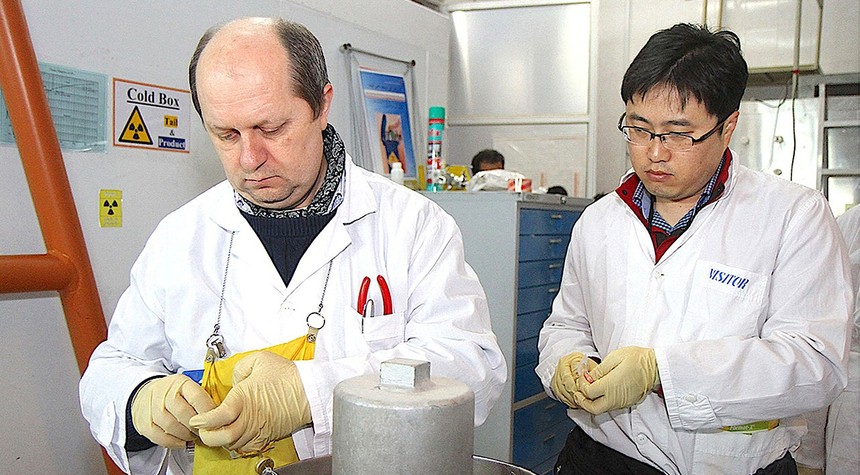
The latest agreement between the United States and Iran concerning nuclear inspections faces significant questions about implementation, as Tehran’s two-decade history of blocking international oversight raises doubts about the regime’s willingness to comply with verification requirements.
Rafael Grossi, head of the International Atomic Energy Agency, has stated that the accord provides IAEA inspectors with access to Iranian nuclear sites. However, conflicting statements from President Trump’s administration and Iran’s Foreign Ministry suggest the familiar pattern of Iranian resistance to robust international verification may continue.
Following joint U.S.-Israeli military operations that significantly degraded Iran’s nuclear capabilities across two separate conflicts, the current diplomatic effort represents what many observers consider the most consequential test of whether lasting stability can be achieved in the region. The central question remains whether the clerical regime in Tehran will permit meaningful access to its nuclear weapons facilities, including extensive underground compounds that have long concerned Western intelligence agencies.
David Albright, recognized internationally as one of the foremost authorities on Iran’s nuclear weapons program, offered a sobering assessment of the situation. According to Albright, the IAEA has consistently fallen short in securing adequate information and verification regarding Iran’s nuclear weapons activities because the regime has refused to cooperate for twenty years.
This history of non-compliance presents what may prove to be an insurmountable obstacle for President Trump, who has made verifiable dismantlement of Iran’s nuclear weapons program a cornerstone of his Middle East policy. The IAEA’s ability to conduct thorough, unannounced inspections of all suspected facilities has long been viewed as the minimum acceptable standard for any meaningful agreement.
The Islamic Republic maintains vast nuclear infrastructure across multiple sites, some known to international inspectors and others suspected but not confirmed. The regime’s practice of conducting sensitive nuclear work in hardened underground facilities has complicated verification efforts for years, even when limited access has been granted.
International inspectors have repeatedly encountered delays, denials, and deliberate obstruction when attempting to visit sites where illicit nuclear weapons work is suspected. This pattern has persisted through multiple administrations in Washington and various diplomatic initiatives aimed at curbing Tehran’s nuclear ambitions.
The current diplomatic moment arrives after intensive military operations targeted key Iranian nuclear facilities, operations conducted jointly by American and Israeli forces. Those strikes significantly set back Iran’s timeline for potential weapons development, but military action alone cannot provide the ongoing verification necessary to ensure the regime does not reconstitute its program.
Whether this latest agreement will prove different from previous failed attempts at securing Iranian compliance remains uncertain. The regime in Tehran has demonstrated remarkable consistency in its approach to international inspectors over two decades, suggesting that promises of access may once again prove hollow when implementation begins.
For President Trump, the stakes extend beyond this single agreement. American credibility in the region, the security of key allies including Israel and Saudi Arabia, and the broader question of preventing nuclear proliferation all hang in the balance. An agreement that fails to provide genuine, verifiable access to Iranian nuclear facilities would represent not progress but merely another chapter in a long history of diplomatic failure.
The coming weeks will reveal whether Tehran’s commitments translate into actual cooperation with IAEA inspectors, or whether the world witnesses yet another round of Iranian obstruction and delay.
Related: NFL Cancels Supplemental Draft as Questions Linger Over Player Eligibility Case