
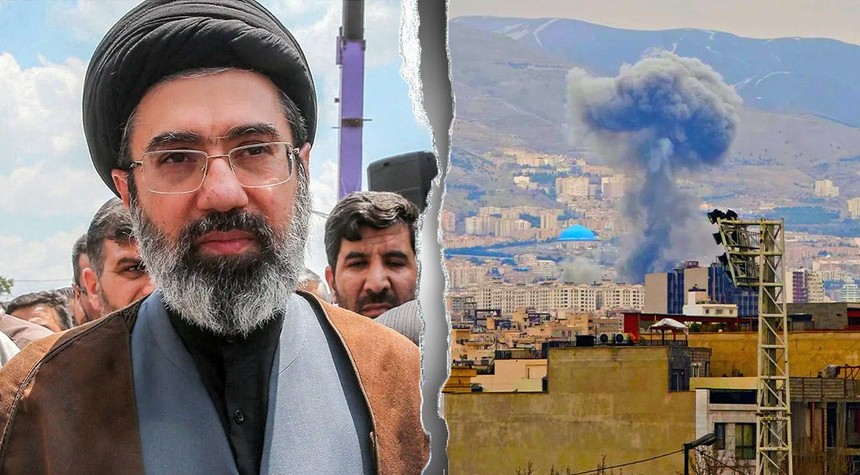
The strategic Strait of Hormuz remains at the center of an intensifying standoff between the United States and Iran, as negotiations between the two nations collapsed Monday without resolution on either maritime control or Tehran’s nuclear program.
President Trump announced that the U.S. Navy has established what he termed a “wall of steel” blockade in the vital waterway, reducing commercial traffic to less than ten percent of pre-conflict levels. The strait, through which approximately one-fifth of the world’s oil supply passes under normal circumstances, has now been effectively closed for nearly six months of ongoing hostilities.
Iranian officials have disputed the President’s characterization of total American control over the passage, warning that the conflict shows no signs of swift resolution. The failure to reach agreement by Monday’s deadline leaves fundamental disputes unresolved, with both nations maintaining incompatible positions on the future governance of this critical shipping lane.
In what appears to be an attempt to circumvent the impasse, Tehran announced it has reached an understanding with Oman regarding an alternative commercial transit route through the strait. However, this arrangement cannot be implemented without American approval, and does nothing to address the underlying issues that have brought these two nations into direct confrontation.
The negotiations have centered on two principal matters. Iran insists it must retain sovereign authority over passage through the strait, which borders its territorial waters. The United States, conversely, has demanded unrestricted commercial navigation through the waterway, viewing Iranian control as an unacceptable threat to global commerce and energy security.
President Trump addressed the stalemate Monday from the Oval Office, expressing his assessment that Iranian leadership desires an agreement but remains unwilling to accept terms Washington considers essential. “They want to make a deal, but they’re not going to make the kind of a deal that I feel is necessary,” the President stated, adding emphatically that Iran “cannot have a nuclear weapon.”
The nuclear question remains inextricably linked to the maritime dispute. American negotiators have maintained that any comprehensive agreement must address Tehran’s nuclear ambitions alongside the immediate question of Hormuz passage rights. Iranian officials have thus far rejected any framework that would permanently limit their nuclear program in exchange for lifting the naval blockade.
The economic consequences of this prolonged closure are being felt globally. Energy markets have experienced significant disruption, and international shipping companies have been forced to seek alternative, more costly routes for goods destined for Persian Gulf ports. The ripple effects extend well beyond the immediate region, affecting supply chains and commodity prices worldwide.
As the conflict enters its seventh month, neither side has indicated willingness to modify its fundamental position. The United States maintains its naval presence remains necessary and proportionate, while Iran continues to characterize the blockade as an act of economic warfare that violates international maritime law.
What remains clear is that absent significant movement from one or both parties, the Strait of Hormuz will remain closed to normal commerce, with all the attendant consequences for global trade and regional stability that such a closure entails.
Related: Italy Imposes Border Controls on Spanish Travelers as Mediterranean Migration Crisis Deepens