
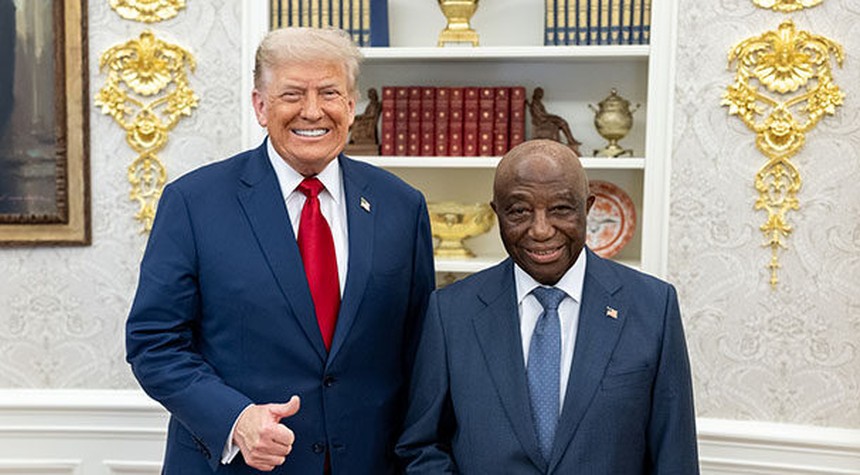
The government of Liberia has reached an agreement with the Trump administration to accept 1,200 migrants deported from the United States, with the first arrivals scheduled to land in the West African nation Thursday.
This arrangement marks a significant development in the administration’s efforts to establish third-country deportation agreements, bringing the total number of participating nations to approximately thirty.
Liberian officials emphasized that their participation stems from humanitarian considerations rather than financial incentives. In an official statement, the government clarified that “Liberia has not demanded or received any compensation or promise of reward in exchange for its consent to participate in the program.” The statement added that Liberia would receive support to manage the program and strengthen its migration infrastructure.
The first group of twenty deportees represents the beginning of a process that will continue through next year. Liberian authorities indicated that arriving migrants would be treated as “guests” and provided with necessary support to ensure their safety. However, the government has not disclosed the duration of their permitted stay or how their immigration status will be formally designated.
This agreement comes as Liberia already hosts 1,167 recognized refugees and 687 asylum seekers from various nations, according to United Nations refugee agency data. The country’s existing experience with displaced populations may facilitate the integration of these new arrivals.
The Trump administration has pursued similar arrangements with nations across multiple continents, including El Salvador, the Dominican Republic, Eswatini, Cameroon, and South Sudan. These agreements allow the United States to deport individuals to countries other than their nations of origin, expanding options for immigration enforcement.
The administration currently faces legal challenges regarding the implementation of such deportations. One case involves Kilmar Abrego Garcia, identified as an MS-13 gang member and illegal migrant, whom the Department of Homeland Security initially deported to El Salvador. Following court intervention requiring his return to the United States, the administration now seeks to transfer him to Liberia under this new agreement.
These third-country arrangements represent a departure from traditional deportation practices, which typically return individuals to their countries of origin. Supporters argue that such agreements provide necessary flexibility in managing immigration enforcement, particularly when origin countries refuse to accept their own nationals or when security concerns complicate direct returns.
The Liberian agreement underscores the administration’s continued efforts to address illegal immigration through diplomatic channels. As implementation proceeds, questions remain regarding the long-term implications for both the deportees and the receiving nations, particularly regarding integration, employment opportunities, and eventual permanent resettlement.
The success or failure of these arrangements will likely influence future immigration policy and international cooperation on migration management. For now, Liberia’s willingness to participate provides the administration with another tool in its immigration enforcement strategy.
Related: Iran Strengthens Alliance with Russia and China as Trump Intensifies Economic Pressure