
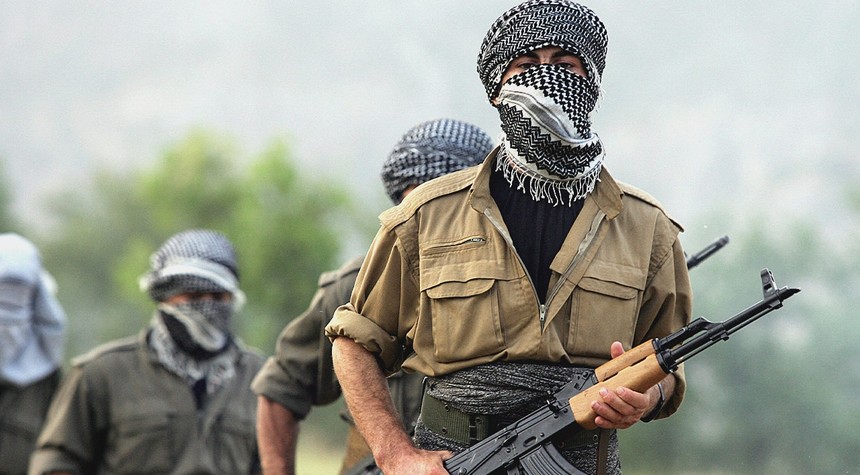
Iranian security forces have sustained multiple casualties in a series of coordinated attacks across the country’s Kurdish-majority western provinces, signaling what regional analysts believe may be an escalation of long-dormant insurgent activity at a particularly sensitive diplomatic moment.
Four Iranian security personnel were killed and several others wounded in separate armed attacks this week, according to regional reports. Two members of Iran’s Islamic Revolutionary Guard Corps died in what Tehran described as a terrorist assault in Paveh, a border city in Kermanshah Province. Separately, gunmen attacked a police checkpoint in Baneh, killing two officers and wounding three civilians, including a three-year-old girl.
The violence has spread across multiple Kurdish-majority cities, including Marivan and Mahabad, suggesting a coordinated effort rather than isolated incidents. A previously obscure militant organization calling itself Xore Heva, translated as “Sun of Hope,” claimed responsibility for the Paveh attack, stating it acted in retaliation for Iran’s violent suppression of recent protests.
The timing of this renewed insurgent activity carries significant implications beyond Iran’s borderlands. Kurdish opposition groups had been viewed by some strategic planners as potential leverage points against Tehran during heightened tensions between Iran and the United States and Israel. Now, with Washington and Tehran engaged in fragile diplomatic negotiations, Kurdish activists express concern they may find themselves exposed and abandoned.
Khalid Azizi, spokesperson for the Democratic Party of Iranian Kurdistan, indicated that Kurdish forces stand ready to challenge the Iranian regime but will not initiate a ground offensive while the situation between Washington and Tehran remains fluid. This cautious posture reflects the precarious position in which Kurdish opposition groups find themselves, caught between their own aspirations for autonomy and the shifting priorities of external powers.
The question now facing regional observers is whether this represents a temporary spike in violence or the beginning of a more sustained insurgent campaign. Iran’s Kurdish regions have long been centers of periodic unrest, with separatist movements maintaining varying degrees of armed resistance against Tehran’s central authority. However, the intensity and coordination of recent attacks suggest possible organizational developments within these opposition groups.
For Washington, the situation presents a familiar dilemma. Kurdish forces have historically served as valuable partners in regional conflicts, yet American support has often proven temporary when broader diplomatic or strategic interests intervene. The current negotiations with Iran place Kurdish opposition groups in an uncomfortable position, raising questions about whether their recent activities will be viewed as helpful pressure on Tehran or unwelcome complications to delicate diplomacy.
The Iranian regime has consistently characterized Kurdish militant activity as terrorism supported by foreign powers, particularly Israel and the United States. Whether accurate or not, this narrative serves Tehran’s purposes in justifying harsh crackdowns in Kurdish regions while deflecting attention from legitimate grievances regarding minority rights and regional autonomy.
As these events unfold, the international community watches to see whether Kurdish insurgent activity will intensify or whether diplomatic developments between Washington and Tehran will once again leave Kurdish aspirations subordinated to larger geopolitical calculations.