
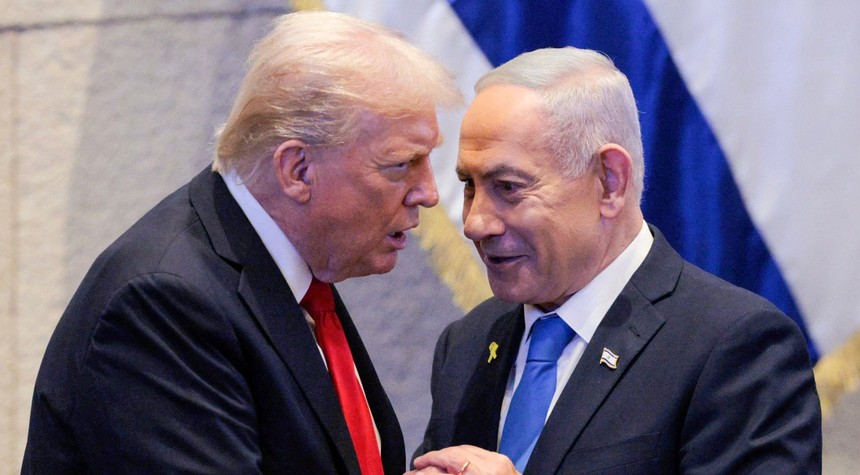
Israeli intelligence officials have determined that Iran is rapidly expanding production capacity at ballistic missile facilities previously damaged by Israeli airstrikes, raising concerns in Jerusalem that may prompt a request for American military assistance when Prime Minister Benjamin Netanyahu meets with President Trump later this month.
The assessment, based on information from sources with direct knowledge of Israeli planning, indicates that Iran has prioritized reconstruction of both its missile production infrastructure and air defense systems damaged in earlier operations. While Tehran also appears to be reconstituting nuclear enrichment sites struck by American forces in June, Israeli officials view the ballistic missile program as the more pressing threat requiring immediate attention.
Netanyahu is scheduled to meet with President Trump at Mar-a-Lago in Florida, where he intends to present intelligence regarding Iran’s military expansion and outline potential options for joint or American-supported strikes against these facilities. The Israeli position, according to sources familiar with the planning, will emphasize that Iran’s ballistic missile capabilities pose dangers not merely to Israeli security but to American interests and regional stability throughout the Middle East.
When questioned by reporters Thursday regarding the anticipated December 29 meeting, President Trump acknowledged that Netanyahu wished to meet but stated that formal arrangements had not been finalized. Israeli officials, however, have publicly announced the meeting date. The Israeli government declined to provide comment on the specifics of the planned discussions, and Iran’s mission to the United Nations did not respond to requests for comment.
White House spokesperson Anna Kelly addressed concerns about Iran’s nuclear program directly, stating that both the International Atomic Energy Agency and the Iranian government have confirmed the American assessment that Operation Midnight Hammer completely destroyed Iran’s nuclear capabilities. Kelly reiterated President Trump’s position that any Iranian pursuit of nuclear weapons would result in immediate military action.
The timing of Israel’s request carries particular significance. President Trump currently faces decisions regarding potential military operations in Venezuela, which would open an entirely new theater of conflict for American forces. Simultaneously, the administration has been promoting its successful negotiation of a ceasefire between Israel and Hamas, with Trump declaring in a Wednesday address to the nation that he has “destroyed the Iran nuclear threat and ended the war in Gaza, bringing for the first time in 3,000 years, peace to the Middle East.”
The Israeli concerns arrive at a moment when Iran has indicated willingness to resume diplomatic negotiations with the United States regarding nuclear limitations. This diplomatic opening could complicate Israel’s push for military action, creating a delicate situation for the Trump administration as it weighs competing priorities in the region.
Beyond the immediate missile threat, Israeli officials remain focused on Iran’s continued funding of proxy forces throughout the Middle East, viewing this support network as integral to Tehran’s regional strategy and influence operations.
The forthcoming Mar-a-Lago meeting will test the administration’s approach to Iranian military capabilities and determine whether American forces will participate in any future operations against Tehran’s rebuilt infrastructure. The decision will shape not only the immediate security landscape but also the trajectory of American engagement in the Middle East during Trump’s current term.
Related: Syria Insider Attack Exposes Vulnerabilities in Trump Administration Counter-ISIS Strategy