
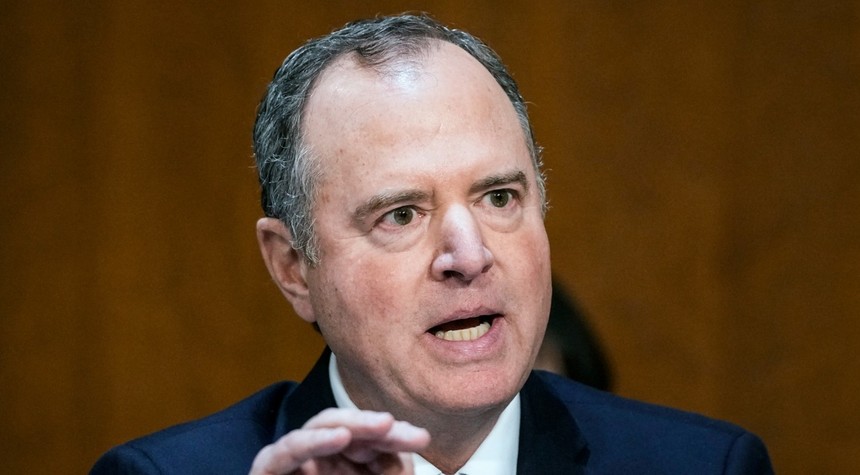
The matter of interrupted satellite communications in Ukraine has evolved into a significant question of accountability, with Democratic Senator Adam Schiff of California calling for Defense Secretary Pete Hegseth to testify before Congress about the disruptions that compromised Ukrainian military operations.
The facts of the case are these: Ukrainian forces experienced substantial degradation of their Starlink satellite service, which they rely upon for critical defense operations, including the interception of incoming Russian attacks. The service, provided through SpaceX and its military-grade Starshield network, operates under the control of Elon Musk’s commercial enterprise, raising fundamental questions about the intersection of private industry and national security interests.
Ukrainian President Volodymyr Zelenskyy stated unequivocally that his government believed the restrictions originated from the United States government, which then directed SpaceX to implement the technical limitations. The disruptions were later resolved, with Ukraine confirming Saturday that both Starlink and Starshield were functioning at high speeds once again.
What troubles observers is the conflicting narrative that has emerged from various parties. President Trump indicated Thursday that Musk had restored Starlink services in Ukraine. Yet one day later, Ukrainian officials contradicted this account, stating the system remained impaired. Secretary of State Marco Rubio denied that the administration requested any changes to Starlink’s operations, asserting that reports suggesting the United States denied Ukraine necessary defensive capabilities were inaccurate.
Musk himself has offered shifting explanations. Initially, he stated that any limitations on Starshield’s speed or usage were decided by the military and ultimately by the President. More recently, he claimed Ukraine violated Starlink’s terms of service by using the system for offensive strikes, and that SpaceX merely enforced its policies when they were circumvented.
Senator Schiff articulated what many in the defense establishment are thinking. The world’s wealthiest individual should not wield such influence over American national security interests. This represents a profound vulnerability in our strategic posture. When a private citizen controls infrastructure essential to an allied nation’s defense, particularly during active hostilities, questions of loyalty, profit motive, and foreign influence become paramount.
The senator’s observation that different parties are stating different things at different times merits serious attention. In matters of national security, clarity is not merely preferable but essential. The American people deserve to know what transpired, who made which decisions, and whether those decisions aligned with our strategic interests and commitments to our allies.
Should Democrats regain control of the Senate, Schiff indicated that anyone with knowledge of these events would be summoned to testify. This is appropriate. When accounts diverge so dramatically, congressional oversight serves its intended constitutional function.
The broader question extends beyond this particular incident. As commercial enterprises increasingly provide infrastructure once exclusively controlled by governments, the boundaries of authority and responsibility require clear definition. The American tradition has been that matters of war and peace, of national defense and alliance commitments, rest with elected officials accountable to the people, not with private individuals, however capable or well-intentioned.
Something changed within the span of one week. The American people and our allies deserve to know what that was, why it occurred, and whether it serves our national interest.
Related: French Police Arrest Nearly 1,000 as Nationwide Protests Turn Violent