
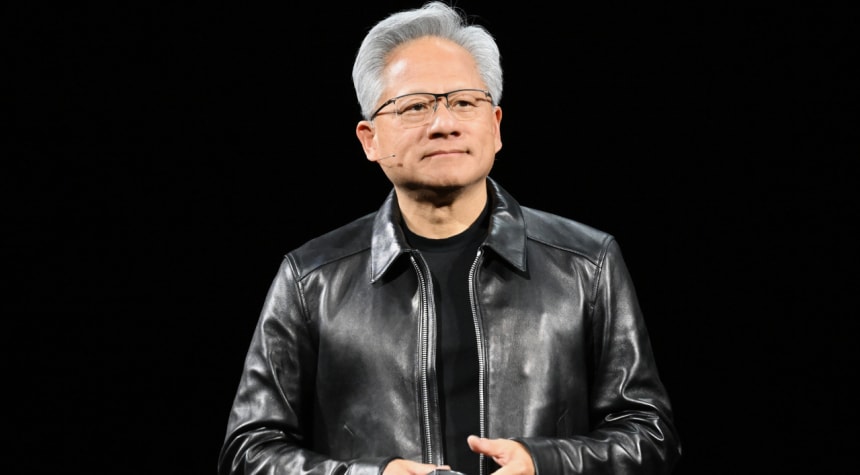
Jensen Huang had the kind of access most people only dream about. Air Force One flights with the president. White House meetings about artificial intelligence policy. Direct conversations with Donald Trump about the future of American tech dominance. And somewhere along the way, if the allegations prove true, he may have let a Chinese intelligence asset get close enough to compromise it all.
Let’s be blunt about what we’re looking at here. The CEO of Nvidia, a company that makes the chips powering America’s AI revolution, allegedly had an extramarital affair with a businesswoman suspected of working for China’s Ministry of State Security. You know what that means? It means one of our most strategically important corporate leaders might have handed Beijing a golden ticket to our most sensitive technology discussions.
Dr. Michael Wallace spent two decades in military intelligence, so he knows how this game works. Foreign intelligence services don’t just show up with a briefcase asking for secrets. They study you. They learn what you like, what you want, what keeps you up at night. They find your weaknesses and they exploit them with surgical precision. It’s not complicated, really. It’s just patient, methodical, and devastatingly effective when done right.
The woman at the center of this mess is Alice Huang, no relation to Jensen despite sharing his last name. She worked for a Singapore cloud computing company called Megaspeed, which gave her plenty of legitimate reasons to cross paths with Nvidia’s leadership. Smart play by Beijing if the allegations hold up. You don’t send someone with "Chinese spy" stamped on their forehead. You send someone who belongs in those meetings, someone who can build trust over months or years.
What could she have learned? Maybe technical specifications for unreleased chips. Maybe details about which Chinese customers might get approval to buy Nvidia’s powerful processors. Maybe she overheard phone calls or read messages about government contracts. Or maybe, and this matters just as much, she picked up intelligence about business relationships, merger plans, or private conversations between Huang and administration officials about America’s technology strategy against China.
This isn’t some low-level breach we’re talking about. Wallace said it himself. What makes this situation extraordinary is how high up the ladder it goes. CEOs of major defense contractors and tech companies have security protocols for a reason. They travel with awareness of foreign intelligence threats. They know, or should know, that adversaries want access to them specifically because of what they know and who they talk to.
Here’s where it gets uncomfortable for the free market crowd, and I say this as someone who believes in capitalism with every fiber of my being. When your business operates at the intersection of national security and cutting-edge technology, you carry responsibilities that go beyond shareholder returns. Nvidia’s chips aren’t just products. They’re strategic assets in a technological cold war with China. That reality doesn’t go away because it’s inconvenient for quarterly earnings or because you want to sell to Chinese customers.
The company’s board launched an independent investigation, which is the right move even if it feels like closing the barn door after the horses bolted. They claim no reason to believe national security or company secrets were compromised. Maybe that’s true. Maybe Huang kept perfect operational security despite allegedly carrying on an affair with someone Beijing reportedly recruited to target him specifically. You buy that? Because I’m skeptical.
Huang apologized to Nvidia employees for his infidelity Sunday, which took guts even if it came way too late. He didn’t name the woman or describe the relationship, probably on advice of counsel. The board says he’ll stay on as CEO during the review and that he’s committed to cooperating. Meanwhile, advocacy groups like Humans First are calling for his resignation and demanding Nvidia lose government contracts until he’s gone.
Amy Kremer, who chairs that organization, put it simply. "He is compromised." That’s the heart of the matter, isn’t it? Once a foreign intelligence service has leverage over you, whether you shared secrets or not, you’re compromised. They know something about you that could destroy your marriage, your career, your legacy. That’s leverage, and leverage is currency in the intelligence world.
Trump told reporters Monday he spoke with Huang and thinks the CEO will be fine, expressing amazement at the whole situation. That’s diplomatic, I suppose, though amazement seems like an understatement. The man had access to some of America’s most sensitive technology discussions while allegedly involved with someone working for Chinese intelligence. Amazing doesn’t quite cover it.
This scandal should serve as a wake-up call, not just for Nvidia but for every major American company operating in sensitive sectors. China plays the long game better than anyone. They’re patient, methodical, and utterly ruthless about stealing our technological advantages. They don’t need to hack every system when they can just get close to the right people.
The broader question here cuts deeper than one CEO’s personal failures. How many other American business leaders have gotten too cozy with people who might be feeding information to Beijing? How many conversations about technology, strategy, or government policy have been quietly compromised because we assumed business relationships were just business?
We spent decades letting China into our markets, our universities, our research labs, telling ourselves that economic engagement would make them more like us. How’s that working out? They took our technology, stole our intellectual property, and built a surveillance state that would make Orwell weep. And we’re still acting surprised when they run intelligence operations against our corporate elite.
Limited government is a core conservative principle, and I stand by it. But national security isn’t optional. When American companies work on technology critical to our defense and economic competitiveness, they accept certain obligations. One of those obligations is not letting foreign intelligence services compromise your leadership.
Whether Huang actually shared information or not almost doesn’t matter at this point. The appearance of compromise is itself a problem. Our adversaries watch these situations closely. They learn what works and what doesn’t. If a CEO can allegedly have an affair with a Chinese intelligence asset and keep his job, what message does that send about American seriousness on counterintelligence?
The investigation will take time. Maybe it’ll clear Huang completely. Maybe it’ll reveal a catastrophic security breach. Either way, the damage is done. Nvidia’s reputation took a hit. America’s technology sector looks vulnerable. And China’s intelligence services probably learned valuable lessons about where our defenses are weakest.
We need to get serious about this threat, and fast. That means better security protocols for executives with access to sensitive information. It means counterintelligence training that goes beyond checking boxes. It means accepting that doing business with or around China requires constant vigilance, not just occasional awareness.
Most of all, it means holding people accountable when they screw up. Huang might survive this politically, but the standard needs to be higher. When you’re trusted with America’s technological crown jewels, you don’t get to make mistakes that potentially hand them to Beijing. The stakes are too high and the adversary is too determined.
China isn’t going to stop trying to steal our advantages. They can’t innovate fast enough to keep pace, so they cheat. They always have and they always will. The only question is whether we’re going to make it easy for them or finally start protecting what’s ours with the seriousness it deserves.
Related: Task Force Iron Gate Targets Iran Supply Lines Despite Midterm Election Setback