
A forty-one-year-old senior member of the United States Army was taken into custody in England this Tuesday, arrested on suspicion of espionage activities linked to Russia. The arrest represents a troubling development in the ongoing challenge of protecting classified information within the ranks of the American military.
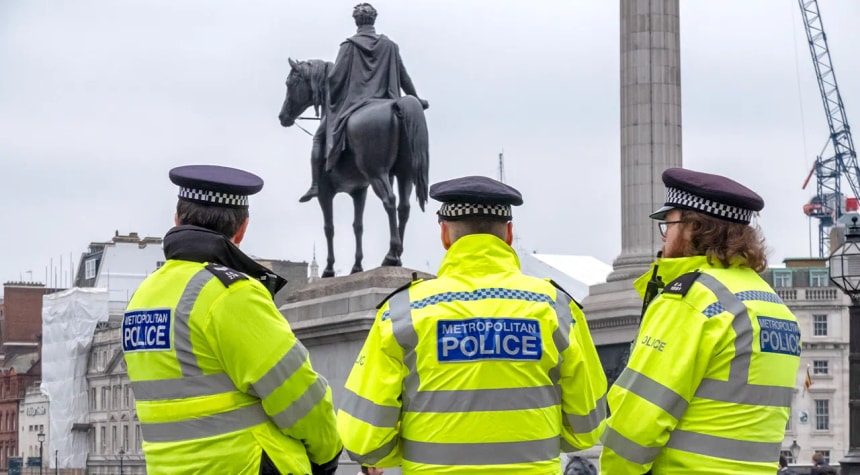
British authorities, working in close coordination with the United States military and the Federal Bureau of Investigation, detained the soldier near Gloucester as part of an investigation into suspected threats to national security. The Metropolitan Police, through its Counter Terrorism Policing division, is leading the investigation. The soldier’s identity has not been released to the public at this time.
The arrest was made under Britain’s National Security Act of 2023, and the suspect remains in custody at a police station in London. British law enforcement officers are currently conducting searches at two separate locations in the Gloucestershire area as investigators work to determine the full scope of the alleged espionage activities.
FBI Director Kash Patel characterized the arrest as involving allegations of the utmost concern to both the United States and its allies. The Director emphasized that such breaches of trust strike at the heart of national security cooperation between nations that share intelligence and military operations.
Deputy Assistant Commissioner Vicki Evans, who serves as the senior national coordinator for Counter Terrorism Policing in the United Kingdom, described the allegations as serious matters requiring robust action. Her comments underscore the gravity with which British authorities view potential threats to national security, particularly those involving foreign intelligence services.
Brigadier General Sean Stinchon, commanding general of the United States Army Counterintelligence Command, issued a statement noting that the alleged conduct serves as a sobering reminder. When a senior military officer entrusted with access to sensitive information potentially betrays that trust, it demonstrates that insider threats remain both real and persistent challenges for modern militaries.
Director Patel provided context for this arrest within the broader landscape of counterintelligence work. Under current FBI leadership over the past twenty-one months, the bureau has made at least one hundred sixty-seven counterintelligence and espionage arrests. This figure represents a fifty-three percent increase in such enforcement actions, suggesting either an uptick in espionage attempts or enhanced detection capabilities, or perhaps both.
The Director made clear that the FBI maintains zero tolerance for service members who violate their oath to the United States or whose actions endanger national security partnerships. This message appears aimed not only at potential adversaries but also at anyone within the American military or intelligence community who might consider betraying their country.
This case emerges at a time when concerns about foreign espionage, particularly involving Russia and China, have received increasing attention from law enforcement and intelligence agencies. The arrest in England demonstrates the international nature of counterintelligence work and the necessity of close cooperation between allied nations in confronting threats to shared security interests.
As this investigation continues, it will undoubtedly raise questions about security protocols, vetting procedures, and the ongoing challenge of identifying potential insider threats before they can compromise sensitive information or operations.
Related: Jensen Huang’s Alleged Affair Reveals How China Targets America’s Tech Titans