
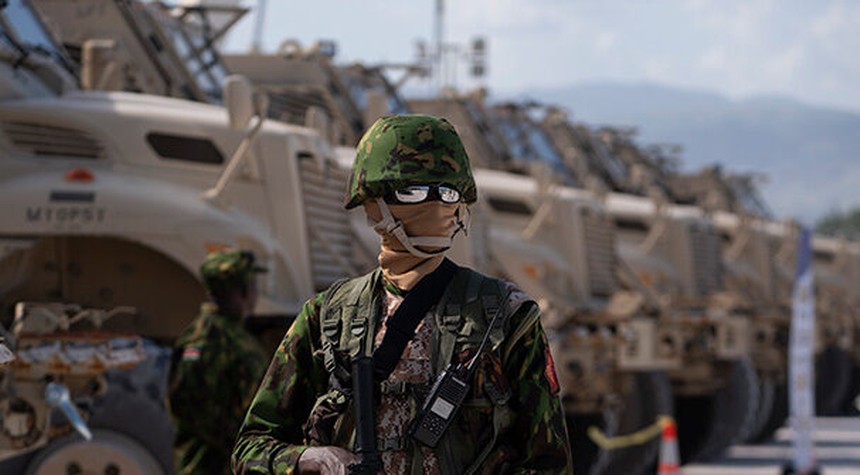
The United Nations has confirmed four substantiated cases of sexual exploitation and abuse involving personnel from its security mission in Haiti, according to an internal investigation report that raises troubling questions about accountability and oversight of international peacekeeping operations.
The allegations involve members of the Multinational Security Support Mission, composed primarily of Kenyan police and military officers deployed to address Haiti’s escalating gang violence. U.N. investigators substantiated all four allegations detailed in a February 16 report that remained undisclosed to the public until an independent Haitian news outlet obtained and published the document this week.
The response from United Nations officials has been notably evasive. When pressed on the matter, a spokeswoman for the U.N. Office of the High Commissioner for Human Rights stated that the force deployed in Haiti does not constitute an official U.N. mission. This technical distinction appears designed to distance the organization from responsibility, despite the fact that these security troops were dispatched to Haiti at the United Nations’ explicit request.
The spokeswoman indicated that accountability rests with the mission itself and the contributing nations to sanction perpetrators, assist victims, and ensure access to justice. This deflection of responsibility is particularly concerning given Haiti’s vulnerable position and limited capacity to hold foreign security personnel accountable.
The situation in Haiti represents a disturbing continuation of patterns that have plagued United Nations operations for decades. Previous peacekeeping missions in the Caribbean nation saw hundreds of personnel accused of similar abuses, yet prosecutions remained virtually nonexistent. This persistent failure to deliver justice has created what observers characterize as a culture of impunity surrounding U.N. operations.
The internal report itself spans fifteen pages, with the Haiti allegations appearing only near the conclusion. The bulk of the document consists of self-congratulatory language describing various measures the United Nations has purportedly implemented to address sexual exploitation and abuse within its ranks. This presentation raises questions about whether the organization prioritizes public relations over genuine accountability.
The timing and manner of disclosure merit scrutiny. That such serious allegations remained hidden from public view until an independent news organization obtained the report suggests a troubling lack of transparency. For an institution that regularly lectures member nations about human rights and good governance, the United Nations appears reluctant to apply those same standards to its own operations.
Haiti, already suffering under the weight of gang violence, political instability, and economic collapse, now faces the additional burden of abuse by forces ostensibly sent to provide security. The victims of these alleged crimes deserve more than bureaucratic finger-pointing and technical distinctions about mission classifications.
The international community invested considerable diplomatic capital in assembling this multinational force for Haiti. Kenya’s willingness to contribute personnel represented a significant commitment. However, that commitment must include robust mechanisms for accountability when personnel violate the trust placed in them.
As this situation develops, the fundamental question remains unanswered: if the United Nations orchestrates the deployment of security forces but claims no responsibility for their conduct, who ultimately protects the vulnerable populations these missions purport to serve?
Related: United States Expands Deportation Program with Costa Rica Partnership