
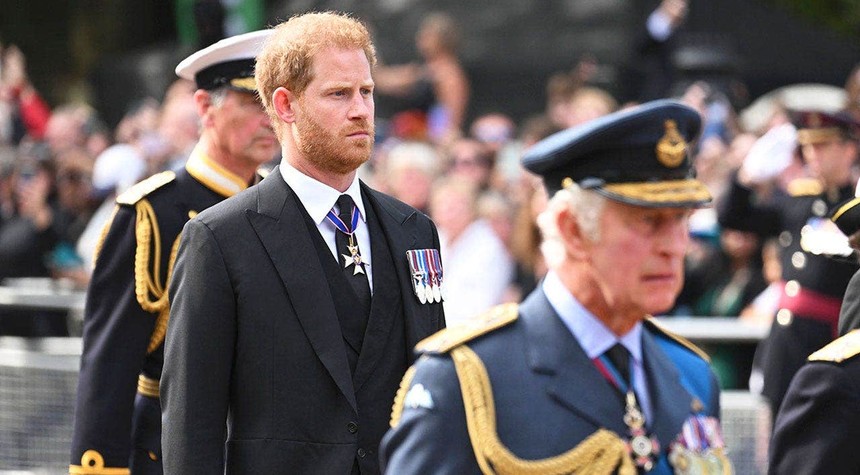
King Charles III will travel to the United States in late April to commemorate the 250th anniversary of American independence, Buckingham Palace announced on March 31. The visit carries significant diplomatic weight as the British monarch prepares to become only the second member of his family to address the United States Congress.
The ceremonial occasion comes at a delicate moment in Anglo-American relations. President Donald Trump has publicly criticized the British government for what he characterizes as insufficient support for military operations involving Iran. These tensions have prompted some voices to call for canceling the royal visit altogether, though Buckingham Palace has given no indication it intends to alter its plans.
The king’s late mother, Queen Elizabeth II, set the precedent for such addresses when she spoke at the Capitol during a state visit. That historic moment underscored the enduring partnership between two nations bound by language, law, and shared democratic values. King Charles now assumes that mantle of diplomatic bridge-building at a time when the transatlantic alliance faces genuine strain.
According to Susan Page, author of “The Queen and Her Presidents,” King Charles has inherited his mother’s fundamentally pro-American approach to foreign relations. Yet the challenges he confronts differ markedly from those of the late queen’s era. Beyond navigating current policy disagreements, the monarchy itself faces persistent questions about its relevance and future role in modern Britain.
The king will be accompanied by Queen Camilla during the April visit. Notably absent from any reunion plans is the monarch’s younger son, Prince Harry, who has resided in the United States since stepping back from royal duties. The estrangement between father and son adds a personal dimension to what remains primarily a matter of state.
The timing of this visit merits consideration. As America approaches the semiquincentennial of its founding, the presence of a British monarch takes on symbolic resonance. The relationship between these two nations has evolved from colonial rebellion through wartime alliance to the current complex partnership that sometimes shows strain but rarely breaks.
The question of whether ceremonial visits can bridge substantive policy differences remains open. Diplomatic pageantry serves its purpose in maintaining channels of communication and affirming shared values. Yet the practical work of alliance management requires more than speeches and state dinners.
President Trump’s willingness to publicly criticize traditional allies represents a departure from conventional diplomatic practice. Whether King Charles’s visit can smooth over these tensions or will simply highlight them remains to be seen. The British government finds itself in the uncomfortable position of defending its policy choices while simultaneously preparing to celebrate historical ties with its most important ally.
The monarchy’s future, both in Britain and in its role on the world stage, depends partly on moments like these. King Charles must demonstrate that the institution he leads retains relevance in an era of rapid change and shifting alliances. His address to Congress will be watched closely on both sides of the Atlantic as a measure of whether traditional bonds can withstand contemporary pressures.
Related: Trump Administration Considers Relocating Afghan Allies to Congo Amid Policy Reversal