
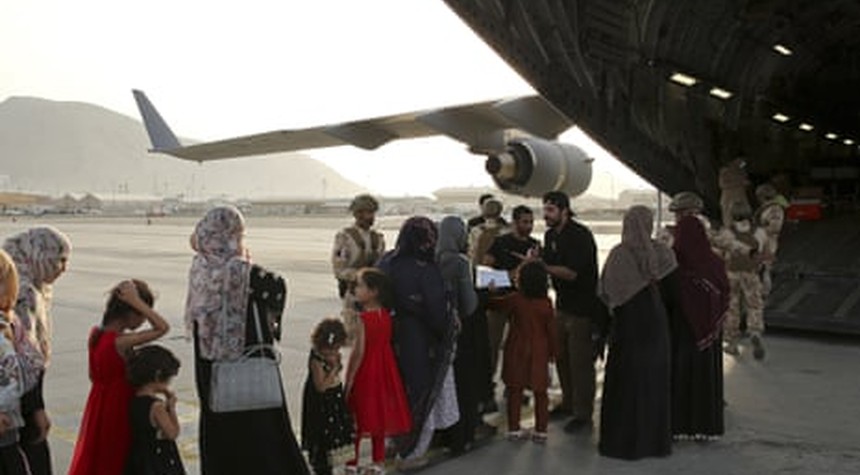
The Trump administration is engaged in discussions to relocate approximately 1,100 Afghans who provided assistance to United States forces during the two-decade war in Afghanistan to the Democratic Republic of Congo, according to confirmation from a non-profit organization involved in the matter.
These resettlement negotiations have emerged following President Trump’s decision to terminate an initiative that permitted Afghans who supported American military operations to apply for resettlement within the United States. The group in question has spent the past year in temporary housing in Qatar, awaiting resolution of their status.
The Afghans under consideration for this relocation include interpreters who worked directly with American forces, as well as family members of United States military personnel. Among the more than 1,000 individuals are over 400 children, underscoring the humanitarian dimensions of this policy decision.
These individuals were evacuated to Qatar specifically because their cooperation with American military efforts placed them in grave danger following the United States withdrawal from Afghanistan in 2021. The country has since returned to Taliban control, creating a perilous situation for those who allied themselves with American forces during the conflict.
The proposed destination for these Afghan allies raises significant questions about the administration’s approach to honoring commitments made to wartime partners. The Democratic Republic of Congo currently faces a severe humanitarian crisis of its own, with massive internal displacement affecting millions of its citizens. The country has long struggled with political instability, armed conflict, and inadequate infrastructure.
This development represents a marked departure from traditional American policy regarding individuals who provided critical support to United States military operations abroad. Throughout previous conflicts, from Vietnam to Iraq, the United States has generally prioritized direct resettlement of allied foreign nationals on American soil, recognizing both the moral obligation to protect those who risked their lives for American interests and the practical necessity of maintaining credibility with potential future allies.
The decision to halt the resettlement program for these Afghans aligns with the administration’s broader immigration policy objectives, which emphasize restricting entry into the United States and pursuing alternative solutions for refugee populations. However, critics argue that redirecting these particular individuals to a third country experiencing its own crisis may undermine America’s ability to secure local cooperation in future military engagements abroad.
The fate of these Afghan families remains uncertain as discussions continue. Their prolonged stay in Qatar has already extended beyond initial expectations, and the prospect of relocation to Central Africa rather than the United States represents an outcome few could have anticipated when they first agreed to assist American forces.
The situation serves as a reminder of the complex aftermath of America’s longest war and the ongoing obligations that extend well beyond the final military withdrawal. How the administration ultimately resolves this matter will likely influence not only these 1,100 individuals but also the calculations of potential allies in any future American military operations requiring local support and cooperation.
Related: Lawyer for Detained American Urges Diplomatic Action as Iran Holds Six US Citizens