
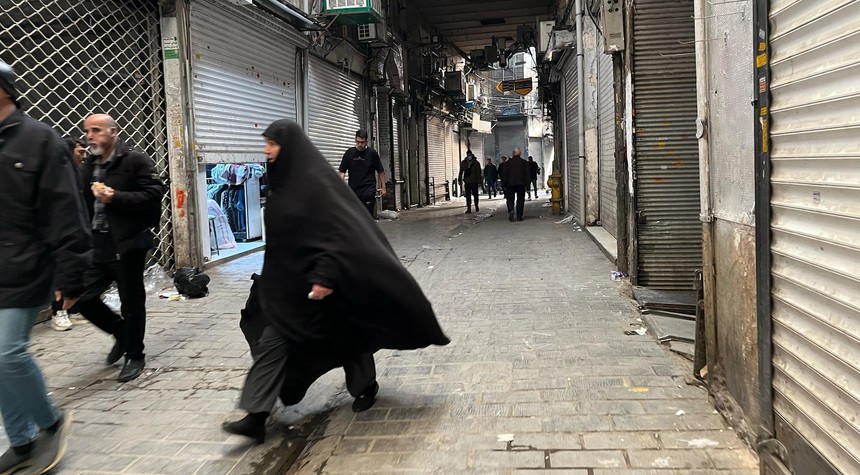
Iranian officials and citizens alike have turned their attention westward to Venezuela this week, as questions mount over whether American military operations similar to those that captured President Nicolás Maduro could be replicated against the Islamic Republic’s leadership.
The weekend seizure of Maduro, a longtime Tehran ally, has dominated Iranian state media coverage and sparked widespread speculation about the vulnerability of Iran’s own leadership structure. Of particular concern is the safety of Supreme Leader Ayatollah Ali Khamenei, who at 86 years of age represents the pinnacle of Iran’s theocratic government.
These concerns emerge as Iran confronts a new wave of domestic protests challenging the regime’s authority. Yet the Venezuelan operation has overshadowed internal unrest, consuming public discourse from official channels to street-level conversations.
The anxiety reflects deeper fears rooted in recent history. Israel’s 12-day military campaign against Iran in June demonstrated the vulnerability of even high-ranking Iranian officials. That operation resulted in the deaths of senior military commanders and nuclear scientists, while American forces struck Iranian nuclear enrichment facilities. Intelligence suggests Khamenei himself sought secure locations during that period.
“God bless our leader, we should be careful too,” remarked Saeed Seyyedi, a 57-year-old teacher in Tehran. “The U.S. has always been after plots against Iran, especially when issues like oil, Israel are part of the case. In addition, it can be complicated when it is mixed with the Russia-Ukraine war, the Lebanese group Hezbollah and drug accusations.”
American officials have long maintained that Iranian-backed Hezbollah operates drug-smuggling networks to finance its activities, particularly in Latin America. The organization denies these allegations, though they continue to factor into American policy considerations regarding Iran and its regional proxies.
Iranian state television has amplified these concerns, with one analyst claiming that American and Israeli forces planned to kidnap Iranian officials during last year’s conflict using teams of dual-national Iranians. No evidence was provided to support this assertion, yet the claim received prominent airtime on state-controlled media.
The atmosphere of concern reached even religious circles. Ayatollah Mohammad Ali Javedan, speaking at prayers in Tehran University on Sunday evening, warned his audience that Khamenei’s life faced danger. “Someone said he had a bad dream that the leader’s life is in danger,” Javedan stated. “Please pray.”
Military analysts note significant differences between Venezuela and Iran that would complicate any similar American operation. Iran possesses roughly twice the geographic area of Venezuela and maintains what defense experts consider substantially stronger military capabilities and security apparatus.
The failed 1980 Operation Eagle Claw remains embedded in both American and Iranian institutional memory. That ill-fated special forces mission to rescue hostages held after the Islamic Revolution ended in disaster, killing eight American servicemen and damaging American prestige.
Whether the Venezuelan operation represents a shift in American willingness to conduct direct action against hostile regime leaders remains unclear. What is certain is that Tehran is watching closely, and the reverberations of Maduro’s capture extend far beyond Latin America.
And that is the situation as it stands tonight in the Islamic Republic.
Related: Ukraine Security Framework Nears Completion as Paris Peace Talks Begin