
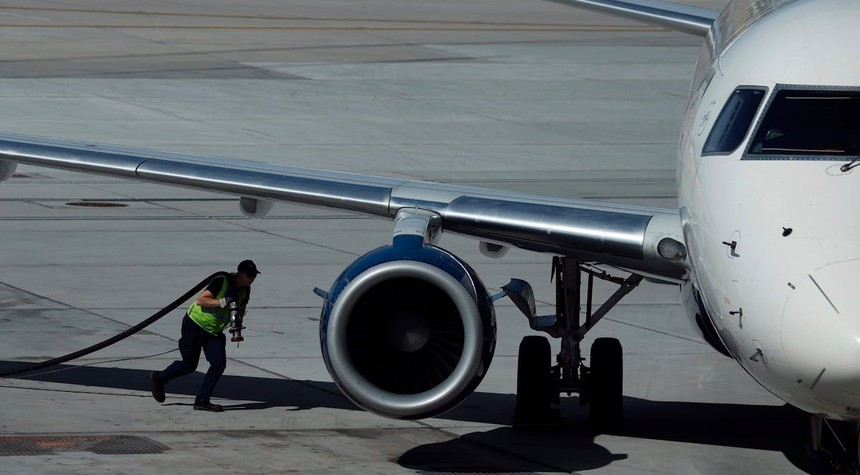
The European Union is preparing emergency guidelines to address a looming jet fuel crisis that threatens to ground flights across the continent within weeks, as conflict with Iran disrupts critical supply routes through the Middle East.
The measures, expected to be announced next week, will urge member nations to reduce their dependence on Middle Eastern jet fuel and explore expanded imports from the United States. European officials are also pushing for greater self-sufficiency through increased production of Sustainable Aviation Fuel and synthetic alternatives.
The urgency of the situation cannot be overstated. European airlines have warned that fuel shortages could materialize before the end of May, potentially disrupting the critical summer travel season. Europe finds itself in a particularly vulnerable position, importing between 30 and 40 percent of its jet fuel, with at least half of those imports originating from the Middle East.
The non-binding recommendations from Brussels will acknowledge the bloc’s limited capacity to increase domestic jet fuel production while providing guidance for managing potential shortages. A European Commission spokesperson confirmed that a comprehensive response to the energy crisis would be presented next week, with jet fuel availability remaining the primary concern.
The crisis centers on the Strait of Hormuz, the narrow waterway through which a significant portion of global energy supplies must pass. Iran opened the strait on Friday following a ceasefire accord in Lebanon, though President Donald Trump stated that a naval blockade remains in effect until a formal agreement is reached with Tehran. European officials expressed cautious optimism about resumed passage through the strait while acknowledging continued uncertainty.
Willie Walsh, director general of the International Air Transport Association, warned on Friday that European flights could begin facing cancellations by late May due to fuel shortages. Airlines are already taking preemptive action, cutting flights and grounding aircraft.
The forthcoming EU guidance will address practical concerns for airlines navigating fuel shortages, including potential loss of airport slots due to cancellations and clarification on anti-tankering rules, which prevent aircraft from loading excess fuel at cheaper locations. The document will also establish whether fuel shortages constitute exceptional circumstances that would exempt airlines from paying passenger compensation for cancelled flights.
European airlines had requested changes to or suspension of the Emissions Trading System and Sustainable Aviation Fuel requirements, but EU officials have determined such modifications are not justified under current circumstances.
The European Commission plans to introduce comprehensive mapping of refining capacity for oil products across the bloc and implement measures to ensure existing refining capacity operates at full utilization. These steps represent a broader effort to strengthen European energy resilience in the face of geopolitical instability.
European imports of American and Nigerian jet fuel have already begun to increase as the continent seeks to diversify its supply sources. The shift toward American fuel represents a significant reorientation of European energy policy and underscores the strategic importance of transatlantic economic ties during times of international crisis.
This situation serves as a stark reminder of Europe’s energy vulnerability and the far-reaching consequences of Middle Eastern conflicts on global commerce and daily life across the Western world.
Related: Trump Administration Moves to Study Controversial Psychedelic for PTSD Treatment