
SpaceX will conduct its first quarterly earnings call as a public company on Tuesday, giving investors their initial opportunity to directly question Elon Musk about the space venture’s financial trajectory and strategic direction following a challenging market debut.
The company’s shares have fallen to $114.46, representing a fifty percent decline from their June peak of $225 and trading well below the initial public offering price of $135. This erosion of shareholder value has intensified scrutiny of Musk’s ambitious projections for the company’s future.
Investors face additional uncertainty as a lockup provision expires Thursday, releasing more than 900,000 shares for trading and effectively doubling the current float. This represents merely the first wave of restricted stock scheduled for release over the coming months, creating additional downward pressure on the share price.
The financial picture remains sobering. Analysts surveyed by FactSet anticipate SpaceX will report a second-quarter net loss of $1.9 billion, or 23 cents per share. The company’s losses for the first half of this year are projected to exceed the $5 billion in red ink recorded for all of 2023. Some analysts maintain optimistic forecasts for a dramatic turnaround in the second half that could restore profitability, though such predictions appear increasingly speculative given current trends.
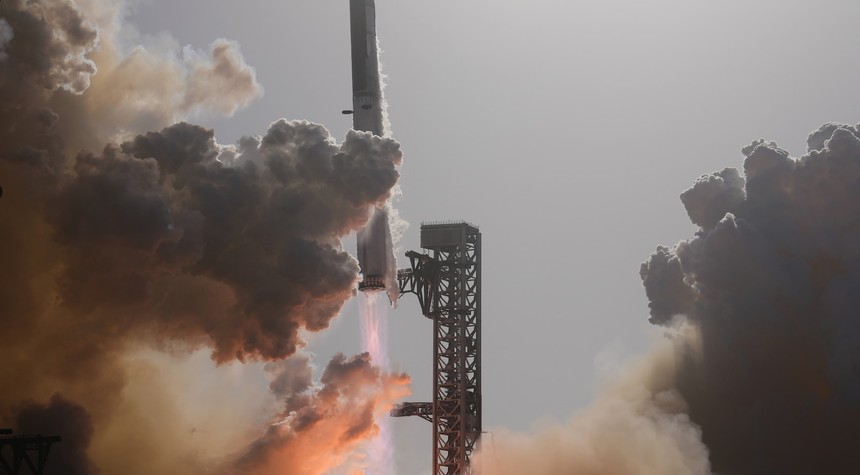
Tuesday’s call will likely focus on several critical operational matters. Chief among them is the development timeline for the Starship rocket system, which NASA is counting on for its lunar exploration program. After an aborted launch earlier this year, the massive rocket successfully deployed satellites during a late-month test flight. Future trials may attempt an unprecedented maneuver using mechanical arms at the Texas Starbase facility to capture the returning rocket and booster as they hover above the launch pad.
Questions about the Starlink satellite communications network are certain to arise. This division represents a significant revenue generator for SpaceX, with contracts spanning the globe providing steady cash flow to offset losses elsewhere in the corporate structure.
The company’s portfolio extends beyond aerospace. SpaceX operates an artificial intelligence venture featuring the Grok tool, alongside the social media platform X, formerly known as Twitter. Both operations currently operate at a loss.
Persistent speculation about a potential merger between SpaceX and Musk’s automotive company Tesla may surface during questioning. However, securities regulations likely preclude substantive discussion of any such combination. Neither company has confirmed merger plans, and Musk has previously deflected such inquiries by citing legal restrictions on discussing potential corporate combinations.
The earnings call represents a moment of reckoning for Musk, whose dual role as visionary engineer and corporate promoter now faces the harsh scrutiny of public market investors demanding accountability. The gap between the company’s technological achievements and its financial performance will require explanation.
For shareholders who purchased at the offering price or during the initial trading surge, the current situation represents substantial paper losses. Whether Musk can articulate a credible path to profitability while maintaining the company’s ambitious development schedule remains the central question facing SpaceX as it navigates the demanding waters of public market accountability.
And that is the situation as it stands this Tuesday evening.
Related: Trump Halts Iran Strikes as Former Officials Debate Middle East Withdrawal