
President Donald Trump has once again halted planned retaliatory military strikes against Iran, a decision that underscores his administration’s pursuit of diplomatic solutions over military escalation in the volatile Middle East theater.
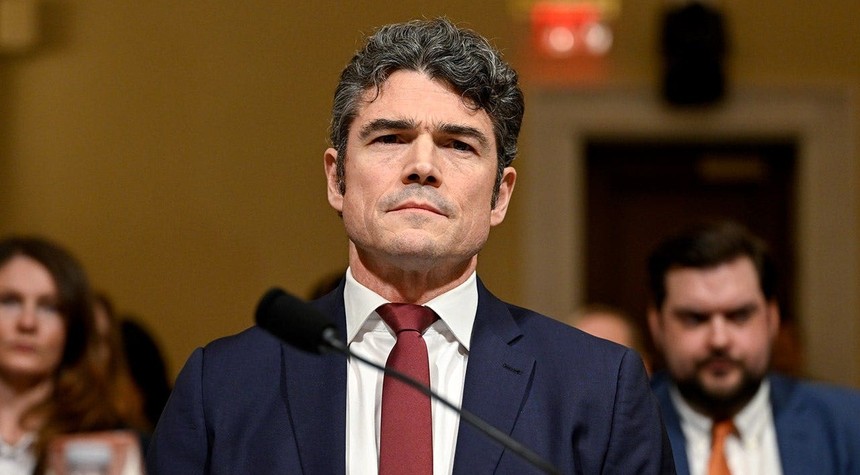
The decision comes as voices within the national security community grow increasingly divided over America’s continued military presence in the region. Former National Counterterrorism Center Director Joe Kent has emerged as a prominent advocate for complete withdrawal of United States forces from Middle Eastern territories.
Kent’s assessment of the situation reflects a pragmatic, if controversial, view of American strategic interests. He characterized the President’s decision to call off strikes as sound judgment, noting that Trump clearly seeks an exit from what Kent describes as an unwinnable conflict. The former counterterrorism director argues that Iran will not simply restore free passage through the Strait of Hormuz to its pre-conflict status, and that attempting to force such an outcome through military means would trigger a catastrophic escalation into prolonged warfare.
The strategic calculus Kent presents is stark. He contends that military force has already been tested as a tool to reopen the Strait of Hormuz and has proven insufficient without risking a bloody, years-long engagement that would serve neither American interests nor regional stability.
Kent’s proposed solution involves a carefully choreographed withdrawal that would allow the administration to claim victory by reiterating that its stated objective of preventing Iranian nuclear weapons development has been achieved. He suggests that once American forces are removed from immediate danger, the administration could quietly employ sanctions relief as an incentive for Iran to reopen the crucial shipping lane.
The alternative, Kent warns, is continuation of an escalation and retaliation cycle that American forces cannot ultimately control. Each strike begets a counterstrike, each action demands a reaction, creating a momentum toward wider conflict that becomes increasingly difficult to arrest.
Former senior Pentagon official Justin Fulcher has been analyzing what he terms America’s strategic patience and military readiness posture. The tension between these competing analyses reflects broader debates within conservative foreign policy circles about America’s proper role in the Middle East.
The Strait of Hormuz remains a critical chokepoint for global energy supplies, with approximately one-fifth of the world’s petroleum passing through its narrow waters. Any prolonged closure threatens not only regional economies but global energy markets and, by extension, American economic interests.
President Trump has previously demonstrated willingness to pull back from military strikes against Iran, most notably in June 2019 when he called off attacks reportedly just minutes before execution. That pattern suggests a consistent reluctance to commit American forces to open-ended Middle Eastern conflicts, a position that resonates with his campaign promises to extricate the United States from what he has termed “endless wars.”
The current situation presents the administration with no easy choices. Complete withdrawal risks creating power vacuums that adversarial forces might exploit. Continued presence risks the escalatory cycle Kent describes. The path forward will likely determine not only America’s Middle Eastern posture but its broader strategic credibility for years to come.
And that is the way it is.
Related: Terrorist Attack at Moscow Restaurant Kills Three Including Security Guard