
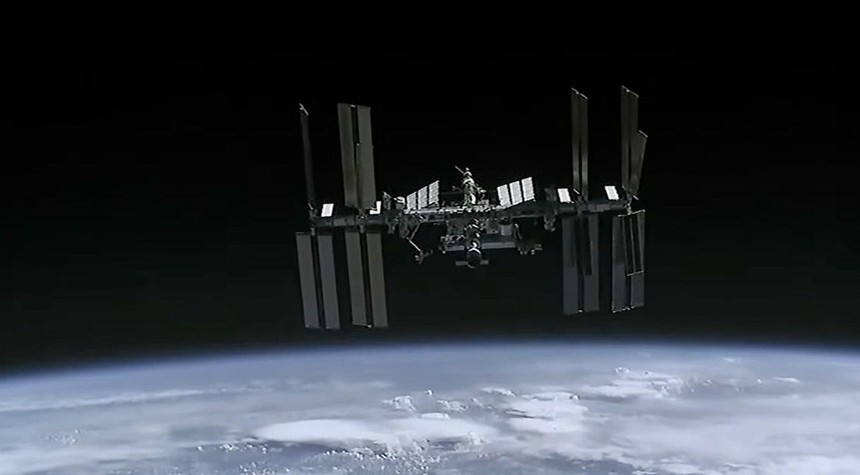
NASA directed five crew members aboard the International Space Station to shelter temporarily inside a docked SpaceX capsule on Friday as Russian engineers confronted worsening cracks in a transfer tunnel that has leaked air intermittently for six years.
The precautionary measure, which lasted several hours, required the astronauts to board the Crew Dragon “Freedom” spacecraft while Russian space agency Roscosmos assessed new data on the deteriorating conditions in their module. NASA subsequently authorized the crew to resume normal operations after Russian officials halted repair work to conduct additional measurements.
The incident underscores the growing challenges facing the aging orbital laboratory, where American and Russian operations remain intertwined despite geopolitical tensions on Earth. The leak, now classified as a top safety risk, has defied multiple repair attempts since it first appeared approximately six years ago.
“We look forward to working with Roscosmos on a collaborative approach to address the leaks,” NASA stated, maintaining the diplomatic language that has characterized the space partnership even as relations between Washington and Moscow have deteriorated over Ukraine and other matters.
The current concern stems from a pressure drop detected in the transfer tunnel last month. Russian engineers noticed the gradual decline and began repair efforts before determining that further assessment was necessary. The decision to pause work and gather additional data prompted NASA’s cautious response.
The SpaceX Crew Dragon serves as the designated “safe haven” for such emergencies, capable of returning astronauts to Earth should conditions aboard the station become untenable. Friday’s shelter-in-place order affected five of the seven crew members currently aboard the orbital outpost.
NASA has monitored these cracks closely throughout their existence, agency officials confirmed. The persistent nature of the problem, combined with its location in a critical transfer tunnel connecting different sections of the station, elevates the risk profile considerably.
The International Space Station, a marvel of international cooperation launched in stages beginning in 1998, now faces the inevitable challenges of aging infrastructure in the harsh environment of space. The Russian segment, which includes the affected module, comprises some of the oldest components of the sprawling facility.
This latest episode raises questions about the long-term viability of continued operations as the station approaches potential retirement in the coming years. NASA and its international partners have discussed extending operations beyond the current planned timeline, but incidents such as Friday’s leak assessment may factor into those deliberations.
The collaboration between American and Russian space agencies has remained one of the few areas of continued cooperation between the two nations, a testament to the practical necessities of maintaining human presence in orbit. Both agencies share responsibility for crew safety and station operations, requiring constant communication and coordination regardless of terrestrial political circumstances.
As engineers on both sides continue analyzing the data from Friday’s assessment, the crew has returned to routine operations. The outcome of this latest evaluation will likely influence decisions about repair strategies and operational protocols for the affected section of the station.
Related: Argentina Confronts Rising Violence Against Women After Teen Murders