
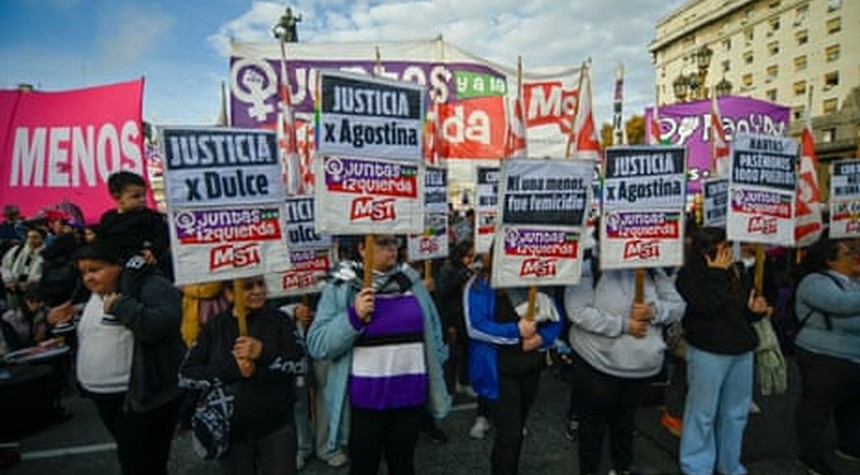
The discovery of two murdered teenage girls within forty-eight hours has thrust Argentina into a national reckoning over violence against women, raising urgent questions about the protection of vulnerable citizens under the current administration.
Authorities in Córdoba discovered the remains of fourteen-year-old Agostina Vega on Saturday in a field outside the city. According to local reports, she had been strangled and her body dismembered. The circumstances surrounding the death of the second victim, a seventeen-year-old girl, remain under investigation by provincial authorities.
The facts of the Vega case paint a disturbing picture. The teenager left her home on the evening of May 23rd and took a taxi to visit Claudio Barrelier, a thirty-three-year-old family acquaintance. The investigation turned toward Barrelier after the taxi driver provided information placing the young girl at an intersection near Barrelier’s residence. Security camera footage confirmed she entered the property. No footage shows her departure.
Barrelier, now in custody, denies the murder charges. Investigators are treating the case as femicide, the targeted killing of women and girls based on their gender. Court records indicate Barrelier was already facing legal proceedings for the alleged kidnapping of a woman in a separate case.
At a press conference Wednesday evening, Gabriel Vega, the victim’s father, delivered a pointed message about the broader implications of his daughter’s death. He warned that without systemic change, there would be many more victims like Agostina. He also addressed what he characterized as inappropriate speculation regarding his daughter’s personal life, noting that social media users were sharing photographs of her at social gatherings while ignoring images of her attending school.
These killings arrive at a particularly contentious moment in Argentine politics. President Javier Milei’s administration has implemented significant budget reductions affecting programs designed to support victims of gender-based violence. The timing has intensified criticism from those who argue the government is abandoning vulnerable women precisely when protection is most needed.
Argentina has grappled with high rates of violence against women for years, despite sustained activism by feminist organizations throughout the country. The issue has generated massive demonstrations in Buenos Aires and other major cities, with protesters demanding stronger legal protections and more robust enforcement of existing laws.
The current crisis underscores a fundamental tension in Argentine society. Years of public awareness campaigns and legislative reforms have not translated into the protection that advocates demand. The question now facing the nation is whether political will exists to address the underlying causes of this violence or whether these tragedies will continue to mount.
For the families of these two young victims, such policy debates offer cold comfort. They are left to mourn daughters whose lives were cut short under circumstances that suggest preventable failures of both law enforcement and social protection systems.
The investigation continues in both cases, with prosecutors working to establish complete timelines and gather evidence for trial. The outcomes of these cases may well influence the national conversation about how Argentina protects its most vulnerable citizens.
Related: Israel and Lebanon Agree to Renewed Ceasefire After Weeks of Deadly Fighting