
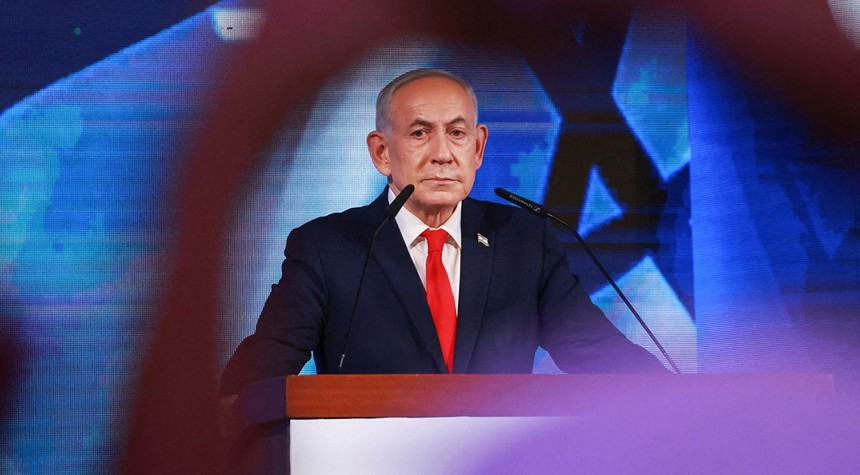
Israeli election officials released results Thursday showing Prime Minister Benjamin Netanyahu’s right-wing coalition secured 53 seats in the 120-member Knesset, falling well short of the 61 required to form a government. The outcome represents a significant decline from the 68 seats his bloc controlled at its peak in the previous parliament.
Netanyahu’s principal challenger, Gadi Eisenkot, fared only marginally better, with his supporting bloc winning 48 seats in what proved to be an extraordinarily close contest. Neither candidate achieved the parliamentary majority necessary to form a government, leaving Israel in a state of political uncertainty.
The vote count is complete, though results await certification before submission to President Isaac Herzog next Wednesday. Herzog will then undertake consultations with party leaders to determine which candidate possesses the strongest likelihood of assembling a governing coalition.
The most striking development of this election cycle was the historic performance of parties led by Israel’s Arab minority, which collectively secured 19 seats. Palestinian citizens of Israel turned out in record numbers Tuesday, with many expressing their desire to remove Netanyahu and prominent far-right members of his coalition from power, including Finance Minister Bezalel Smotrich and National Security Minister Itamar Ben-Gvir.
Both leading political blocs have categorically rejected the possibility of forming a government with the two primary Arab parties, Ra’am and the Joint List. Nevertheless, their emergence as potential kingmakers has thrust the complex circumstances facing Palestinian Israeli nationals into sharp relief.
In the weeks preceding the election, Netanyahu and coalition members amplified accusations of foreign election interference, referring Arab parties to the Shin Bet, Israel’s domestic security service, for investigation regarding alleged Qatari intervention. Qatar denied these allegations outright.
Mansour Abbas, who leads Ra’am, stated his party maintained no connection to such conduct and called for a comprehensive investigation. He further accused Netanyahu of conducting a campaign of incitement and delegitimization against Arab citizens.
Dean Livne, acting director general of Israel’s Central Elections Committee, addressed these concerns in a letter to a member of parliament, stating there existed no basis for allegations of systematic violations of electoral integrity.
While both Netanyahu and Eisenkot ruled out collaboration with Arab parties before the election, Yair Golan, head of the smaller left-wing Democrats party, advocated Wednesday for a government formed in partnership with Arab parties. He rejected what he termed Netanyahu’s racist division between Jewish and Arab votes.
The majority of Palestinians holding Israeli citizenship are descendants of those who remained within what became Israel during the 1948 war that accompanied the country’s founding. Hundreds of thousands more fled or were expelled from their homes during that period.
As President Herzog prepares to begin coalition negotiations, the path forward remains uncertain. The arithmetic of Israeli politics has rarely appeared more challenging, and the decisions made in coming weeks will determine whether this nation of nine million can establish stable governance or faces the prospect of yet another election cycle.
Related: Son of Jailed Brazilian President Seeks Refuge in United States After Electoral Defeat