
Iran has agreed to permit international nuclear inspectors back into the country as negotiations continue in Switzerland to end the military conflict that erupted last week between the United States and Iran.
The development marks a significant shift in a standoff that has persisted since 2018, when the Trump administration withdrew from the nuclear agreement negotiated during the Obama presidency. That withdrawal led Iran to bar international inspectors from its facilities, creating years of uncertainty about the Islamic Republic’s nuclear capabilities and intentions.
Vice President JD Vance, speaking from the Bürgenstock resort in Switzerland where American and Iranian delegations convened over the weekend, announced the Iranian concession. The talks follow a memorandum of understanding signed by both nations last week, aimed at establishing a framework to end hostilities that began with massive joint American and Israeli strikes on February 28.
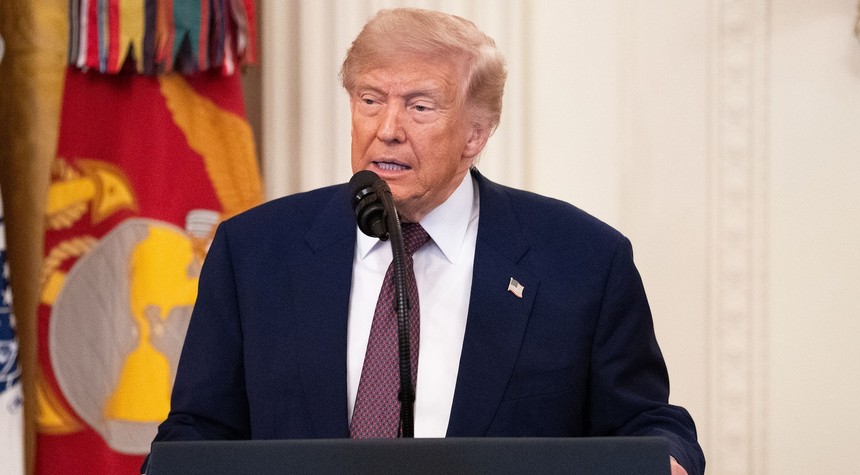
President Trump, in a statement posted to social media, emphasized that any agreement must include comprehensive and sustained inspection protocols. “Everybody is fully aware that Iran will agree to have Major Weapons Inspections in order to ensure ‘Nuclear Honesty’ long into the future,” the President wrote, making clear that temporary measures would not satisfy American requirements.
The military operations announced last week as “major combat operations” targeted Iranian military installations, government facilities, and critical infrastructure. The strikes, conducted jointly with Israeli forces, represented the most significant direct military action between the United States and Iran in decades.
The return of weapons inspectors addresses a central concern that has animated American policy toward Iran since the previous administration’s nuclear deal collapsed. That agreement, formally known as the Joint Comprehensive Plan of Action, had established a rigorous inspection regime designed to verify Iranian compliance with nuclear restrictions. When the Trump administration withdrew during its first term, citing inadequate provisions and sunset clauses, Iran responded by limiting inspector access and resuming certain nuclear activities.
Secretary of State Marco Rubio is scheduled to depart Tuesday for his first Middle Eastern tour since hostilities began. His itinerary includes stops in the United Arab Emirates, Kuwait, and Bahrain, three nations with vital interests in regional stability and deep concerns about Iranian military capabilities. The visit, planned for a three-day period concluding Thursday, signals American commitment to consulting with regional allies as negotiations with Iran proceed.
The Trump administration has also issued a formal waiver regarding Iranian oil sales, though details of that decision remain limited. Such waivers have historically served as diplomatic tools, either incentivizing cooperation or providing economic relief during negotiations.
The current talks represent a diplomatic gamble for both sides. For the United States, verification of Iranian nuclear activities through sustained inspections addresses a fundamental security concern. For Iran, ending military operations and potentially gaining sanctions relief offers economic respite for a nation that has endured years of international pressure.
Whether these negotiations produce a lasting settlement remains uncertain. The history of American-Iranian relations is marked by periods of engagement followed by renewed confrontation. What is certain is that the world is watching Switzerland closely, as two adversaries attempt to step back from the brink of broader conflict.
Related: Kushner-Backed Development Project Triggers Three Weeks of Protests in Albania