
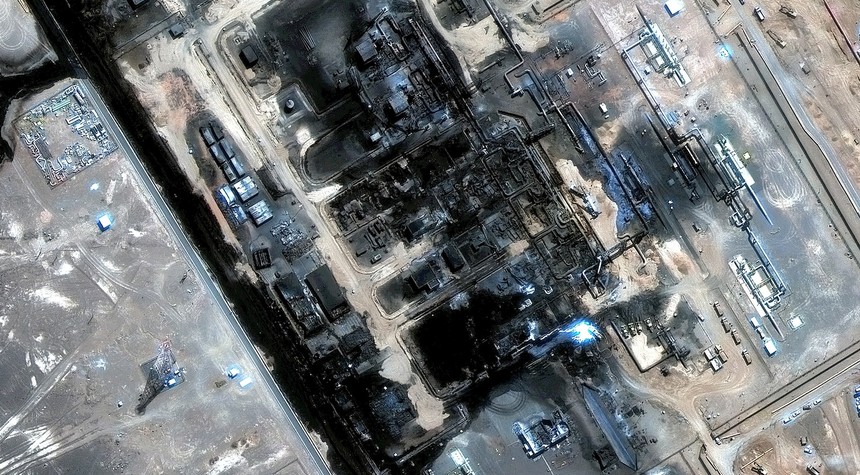
Oil markets responded sharply Monday to mounting tensions across the Middle East, with Brent crude surpassing $107 per barrel as multiple flashpoints threatened regional stability and global energy supplies.
The price surge follows months of escalating military confrontation between the United States and Iran. President Donald Trump announced what he termed “major combat operations” against Iran in late February, coordinating massive strikes with Israeli forces against military installations, government facilities, and critical infrastructure throughout the Islamic Republic.
What began as targeted military action evolved into a protracted conflict that has defied diplomatic resolution. Negotiators from Washington and Tehran convened in June seeking terms for a war-ending agreement, working from a memorandum of understanding both nations had signed. Those discussions collapsed as military exchanges continued, with the strategically vital Strait of Hormuz emerging as the principal area of confrontation.
By August, President Trump announced a shift in approach, declaring the United States would pursue what he called a “crushing economic operation” designed to compel Iranian capitulation. The implications of that strategy are now evident in global energy markets.
Iranian officials mounted a vigorous defense Monday against multiple allegations. Foreign Ministry spokesperson Esmaeil Baqaei categorically denied Iranian involvement in Yemen, stating his government maintains “no relations whatsoever with what is unfolding in Yemen.” This assertion contradicts longstanding assessments by regional adversaries and independent analysts who document extensive Iranian support for Houthi forces.
Tehran has maintained military and political ties with the Houthis for years, with adversarial governments accusing Iran of providing training, funding, and sophisticated weaponry as part of what Iran terms its “Axis of Resistance.” The dramatic expansion and increasing sophistication of Houthi ballistic missile and drone capabilities bears the unmistakable signature of Iranian technical assistance, according to defense analysts.
The strategic situation deteriorated further last week when intense fighting erupted along Yemen’s western Red Sea coast. Forces loyal to the Saudi-backed internationally recognized Yemeni government clashed with Houthi militants in battles that continued through Monday. The fighting concentrated near Perim Island in the Bab el-Mandeb Strait, another chokepoint for global maritime commerce.
The Houthis claimed Monday to have conducted a “wide-scale military operation” against Saudi Arabia’s King Khalid Air Base in the kingdom’s southwestern region, reporting the use of “dozens of ballistic missiles” in the attack.
Regional diplomatic efforts suffered another setback when Saudi Arabia requested postponement of Monday’s scheduled meeting between Iranian and Gulf state representatives in Oman. Omani Foreign Minister Badr Albusaidi confirmed the delay Sunday, citing “the interest of consensus.” No alternative date has been established.
Iranian officials also addressed concerns about nuclear activities at Pickaxe Mountain, located approximately one mile south of the Natanz Nuclear Facility. Baqaei insisted Monday that claims of nuclear installations at the site possessed “no basis whatsoever.”
President Trump referenced the location last week, noting that “somebody said there was a little movement at the site” and warning Tehran “not to get cute because we will have to hit them very hard.” The Natanz facility, long Iran’s primary uranium enrichment center, sustained damage during June’s Operation Midnight Hammer strikes.
The convergence of military confrontation, diplomatic deadlock, and renewed fighting in Yemen presents markets with considerable uncertainty about Middle Eastern oil supplies at a time when global energy security remains paramount to economic stability.
Related: Africa Emerges as Critical Battleground in American Race Against China for AI Dominance