
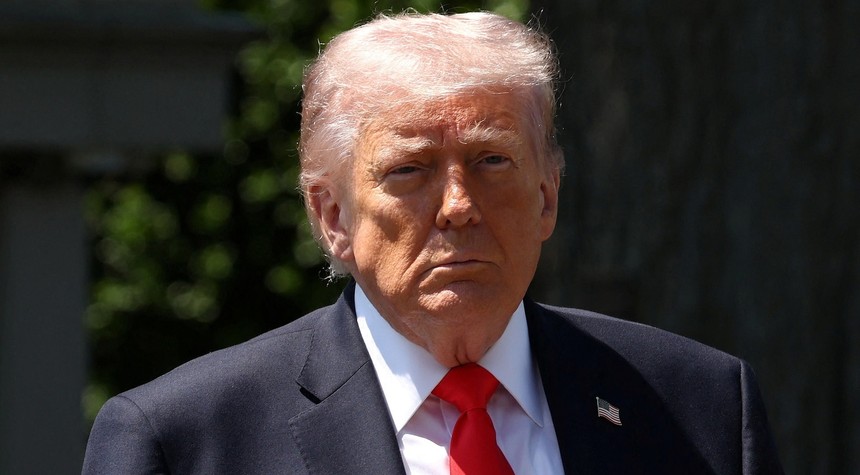
President Donald Trump announced Friday his intention to raise tariffs on European Union automobiles and trucks to 25 percent, citing what he characterized as the EU’s failure to honor existing trade commitments between the United States and the European bloc.
The president disclosed the decision through a statement on his social media platform, asserting that the tariff increase would take effect next week. “Based on the fact the European Union is not complying with our fully agreed to Trade Deal, next week I will be increasing Tariffs charged to the European Union for Cars and Trucks coming into the United States,” the president wrote. “The Tariff will be increased to 25%.”
While departing the White House Friday afternoon, Trump reinforced his position, stating that the European Union was “not adhering to the agreement that we have,” though he did not elaborate on specific provisions allegedly violated by European trading partners.
The administration has not formally specified which statutory authority it intends to invoke for this tariff action. However, informed observers suggest the White House will likely employ Section 232 of trade law, which grants the president authority to adjust import levels when the Commerce Secretary determines that foreign goods pose a threat to national security. This provision has become a frequently utilized tool in the current administration’s trade policy arsenal.
The tariff announcement arrives amid broader tensions in transatlantic trade relations, with both sides having engaged in protracted negotiations over automotive trade, agricultural products, and technology regulations. European officials have yet to issue a formal response to the president’s statement.
In his social media post, Trump emphasized that American manufacturing facilities would be exempt from the tariff structure. “It is fully understood and agreed that, if they produce Cars and Trucks in U.S.A. Plants, there will be NO TARIFF,” he wrote, suggesting that foreign manufacturers could avoid the levy by establishing or expanding production operations on American soil.
The president further claimed that numerous automotive manufacturing facilities are currently under construction across the United States, with what he described as record investment levels. “Many Automobile and Truck Plants are currently under construction, with over 100 Billion Dollars being invested, A RECORD in the History of Car and Truck Manufacturing,” Trump stated, though he did not provide documentation for these figures or identify specific sources of the investment capital.
The announcement raises questions about potential retaliatory measures from European trading partners and the broader implications for American consumers, who may face higher prices for European vehicles. Economic analysts will be watching closely to determine whether this tariff action prompts European manufacturers to accelerate plans for American production facilities or whether it triggers a new round of trade disputes between the world’s two largest economic blocs.
The White House has not responded to requests for additional clarification regarding the legal framework for the tariff implementation or the timeline for enforcement.
Related: Investigation Reveals Two Billion Dollar Network Behind May Day Protests