
The United States has imposed sweeping new economic sanctions on Cuba, targeting individuals operating across key sectors of the island nation’s economy. The measures, announced through executive order on Friday, represent a significant escalation in American pressure on the communist government in Havana.
The sanctions framework encompasses broad segments of Cuba’s economic infrastructure, including energy production, defense operations, and mining activities. President Trump’s directive authorizes penalties against persons conducting business in these sectors, marking one of the most comprehensive economic measures against the island since the normalization efforts of the previous decade were reversed.
Cuba’s government responded swiftly and forcefully to the announcement. Foreign Minister Bruno Rodriguez characterized the sanctions as “collective punishment” against the Cuban people, rejecting what he termed “unilateral coercive measures” by the United States government. His statement, delivered through social media channels, reflected Havana’s position that such economic restrictions harm ordinary citizens rather than government officials.
The timing of these sanctions follows the Trump administration’s successful effort to remove Venezuelan leader Nicolás Maduro from power earlier this year. The connection between these two actions appears deliberate, as both Cuba and Venezuela have maintained close political and economic ties for decades. The administration’s strategy suggests a coordinated approach to reshaping governance across the Caribbean and Latin America.
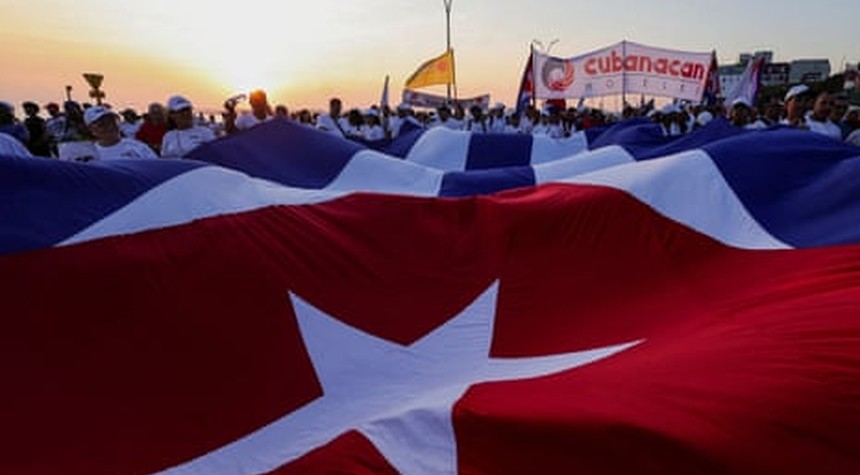
On May 1, thousands of Cubans participated in a massive demonstration outside the American embassy in Havana. The procession, organized in response to the sanctions announcement, featured participants vowing to “defend the homeland” against what they perceive as American economic aggression. Such displays of public solidarity with the government remain common in Cuba, though the genuine sentiment behind them continues to be debated.
The geographic proximity of Cuba to American shores remains a significant factor in bilateral relations. The island lies merely 145 kilometers from Florida’s coastline, a distance that has influenced American foreign policy considerations since Fidel Castro’s communist revolution transformed Cuba’s political landscape generations ago.
The United States has maintained a trade embargo against Cuba for nearly six decades, with only brief periods of relaxation. These latest sanctions expand upon that foundational policy, creating additional layers of economic isolation for the island nation.
President Trump has previously discussed the possibility of American acquisition of Cuba, though such statements have not translated into formal policy proposals. The remarks nonetheless reflect an administration willing to consider unconventional approaches to longstanding foreign policy challenges.
The practical impact of these sanctions will likely unfold over coming months as affected individuals and entities adjust to new restrictions. Cuban officials face difficult choices about how to sustain economic operations in targeted sectors while under increased American pressure. The international community will be watching closely to see whether other nations follow the American lead or maintain independent trade relationships with Havana.
For the Cuban people, already facing significant economic hardship, these measures represent another challenge to daily life. Whether the sanctions achieve their intended policy objectives or merely deepen existing divisions remains an open question that only time will answer.
Related: Investigation Reveals Two Billion Dollar Network Behind May Day Protests