
President Donald Trump convened senior advisers at the White House on Friday to deliberate options for addressing the escalating confrontation with Iran, including the possibility of significantly expanding military operations against the Islamic Republic.
The closed-door meeting represents the latest in a series of strategic consultations Trump has held with his national security team following the collapse of a ceasefire that had briefly offered hope for de-escalation. Two sources familiar with the discussions confirmed that expanded military action remains under active consideration.
When questioned by reporters Friday afternoon, the President declined to reveal whether he had reached a decision on the path forward. “As you know, we are locked and loaded. We are locked and loaded and ready to go, but we are talking to them,” Trump stated during an Oval Office event, characterizing the delicate balance between military preparedness and diplomatic engagement.
The deliberations come amid continued military operations in the region. United States forces disabled a fifth vessel on Friday that attempted to breach the naval blockade reimposed on July 14 against ships entering or departing Iranian ports. The blockade has emerged as a critical enforcement mechanism in the ongoing conflict, with the Strait of Hormuz serving as the primary flashpoint for confrontations between American and Iranian forces.
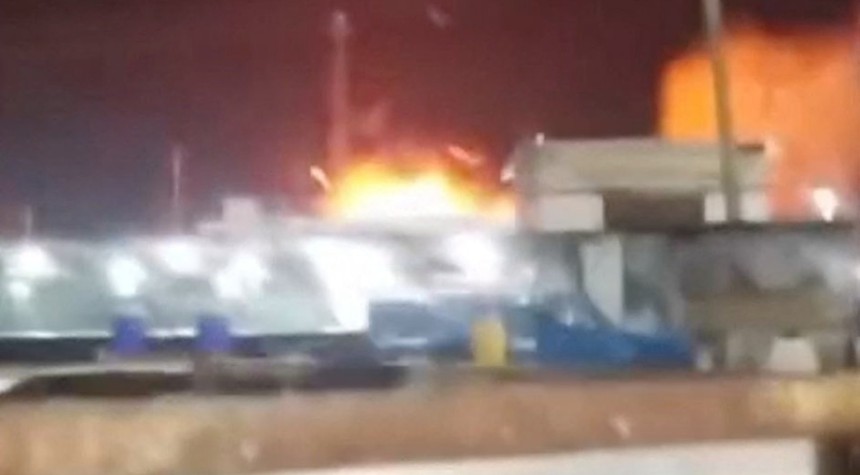
In a separate action near the Iraq-Iran border, American forces struck a security facility at the Shalamche crossing. A United States official confirmed the building, located approximately eight meters inside Iranian territory, constituted a legitimate military target. Initial reports suggesting the explosions resulted from non-American operations were later corrected to acknowledge United States involvement in the precision strike.
These military actions unfold against a complex diplomatic backdrop. President Trump announced what he termed “major combat operations” against Iran on February 28, with extensive joint American-Israeli strikes targeting military installations, government facilities, and critical infrastructure throughout the country.
Despite the intensity of those operations, both nations entered into negotiations in June, seeking a comprehensive agreement to end hostilities. Those talks centered on a memorandum of understanding signed by representatives of both governments. However, the diplomatic process has proven fragile, with both sides continuing to exchange military strikes even as negotiators worked toward a settlement.
The strategic importance of the Strait of Hormuz cannot be overstated. This narrow waterway serves as a vital artery for global energy supplies, with roughly one-fifth of the world’s petroleum passing through its waters. Any prolonged closure or militarization of the strait carries profound implications for international commerce and energy markets.
Recognizing these stakes, Oman has undertaken mediation efforts. An Omani diplomatic delegation arrived in Tehran on Friday for discussions regarding governance mechanisms for the Strait of Hormuz, according to Iran’s official Islamic Republic News Agency. The sultanate has historically served as an intermediary between Washington and Tehran, maintaining diplomatic relations with both nations.
As President Trump weighs his options, the international community watches closely. The decisions made in the coming days will determine whether the current crisis moves toward resolution through negotiation or intensifies through expanded military engagement.
Related: House Democrat Investigates Chinese Company Over Labor Violations in Midwest Plants