
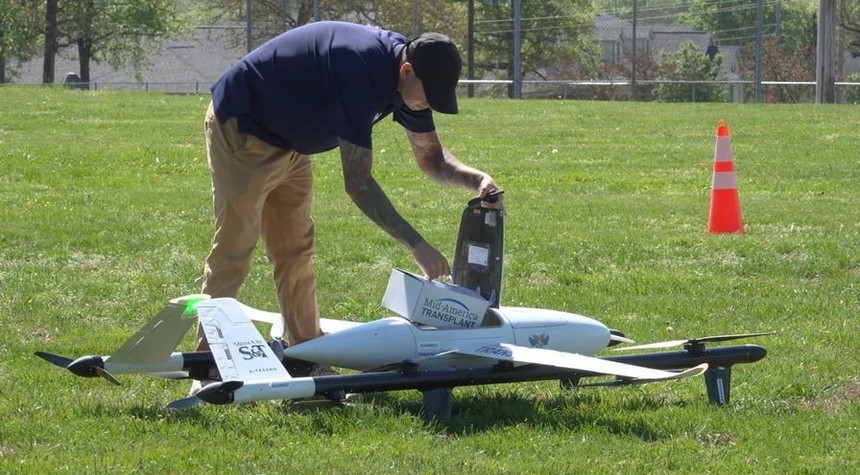
The Federal Aviation Administration has completed what it describes as a significant milestone in unmanned aircraft testing, conducting a demonstration flight of a hybrid-electric cargo aircraft capable of carrying substantial payloads without a pilot aboard.
The test, conducted at Houma-Terrebonne Airport in Louisiana, represents the first remotely piloted aircraft flight under the FAA’s electric vertical takeoff and landing Integration Pilot Program. The aircraft in question, Elroy Air’s Chaparral, can transport more than 500 pounds of cargo, a capacity that distinguishes it considerably from the smaller delivery drones that have become familiar sights in recent years.
The demonstration involved collaboration between Elroy Air and the Louisiana Department of Transportation and Development. FAA Administrator Bryan Bedford indicated that the Louisiana demonstration provides essential data to help “turn these concepts from trial to deployment.” That statement underscores the practical intent behind these tests. This is not merely experimental aviation research. The goal is operational deployment.
The potential applications merit serious consideration. A broken pump on an offshore oil platform or medical supplies needed in the aftermath of a hurricane present logistical challenges that current transportation infrastructure addresses imperfectly. The Chaparral’s vertical takeoff and landing capabilities allow operation without traditional runway infrastructure, a feature with obvious implications for emergency response and rural service delivery.
Medical applications have already begun testing in other jurisdictions. Programs aimed at transporting lab samples, blood products, and donor matching materials between smaller communities and larger hospital hubs are underway. For rural patients who face longer travel times for care, faster on-demand flights could reduce delays that directly impact diagnoses and treatment outcomes. Future plans include expanding the technology to transport transplant-related materials, where timing can mean the difference between successful procedures and lost opportunities.
The FAA established the electric vertical takeoff and landing Integration Pilot Program to determine how next-generation aircraft can operate safely within United States airspace. In March, the Department of Transportation selected eight projects spanning 26 states. Louisiana’s participation represents one component of this broader initiative, with additional test flights planned through the remainder of 2026.
The significance of this development extends beyond the technical achievement of remotely piloted flight. The question before regulators and industry is whether pilotless aircraft can eventually transform how emergency supplies and everyday goods move across the country. The answer will depend substantially on safety validation, regulatory framework development, and practical demonstration of reliability.
The Chaparral had previously completed flights in December 2025, meaning this Louisiana demonstration served not as a proof of concept for the aircraft itself, but rather as validation within the FAA’s regulatory testing framework. That distinction is important. The technology exists. The current phase involves determining how it integrates into the national airspace system.
For rural communities, offshore operations, and emergency response scenarios, the implications are considerable. Traditional logistics face inherent constraints. Roads require maintenance and can be blocked. Helicopters require pilots and carry significant operational costs. Small drones lack payload capacity. This middle ground of substantial cargo capacity combined with vertical takeoff capability and unmanned operation represents a potentially meaningful addition to the transportation options available.
The FAA’s methodical approach through 2026 will determine whether that potential becomes operational reality.
Related: Brussels Moves to Strengthen Greenland Ties as NATO Allies Conduct Arctic Military Exercises