
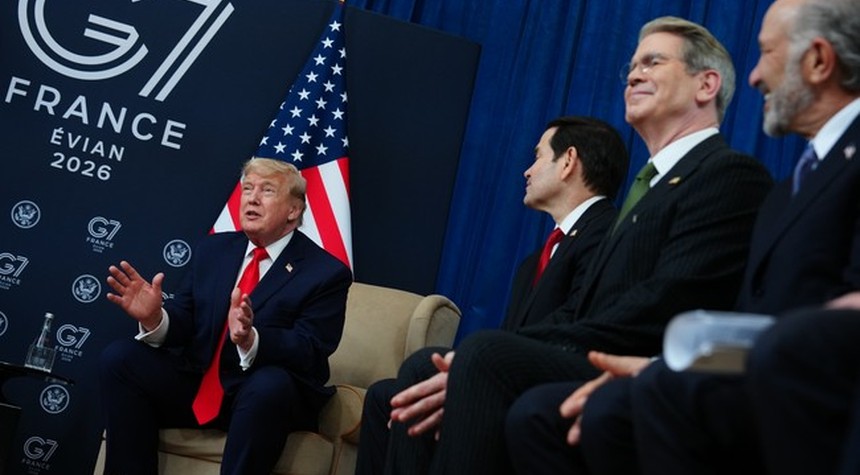
President Donald Trump has issued a stark warning to European nations contemplating taxation measures against American technology companies, threatening to impose 100 percent tariffs on all goods imported from any country that implements a Digital Services Tax.
The President’s statement, delivered through social media on June 26, represents a significant escalation in the ongoing trade dispute between the United States and several European nations over the taxation of digital commerce. The matter has remained a persistent irritant in transatlantic relations, with American officials maintaining that such levies unfairly target U.S. firms that have achieved dominance in the global technology sector through innovation and market competition.
“Numerous European Countries have been discussing the imminent implementation of a Digital Services Tax on American Companies. Some of these Countries are close to actually doing this,” the President wrote. “Please let this statement serve to represent that any Country that imposes such a Tax will immediately be met with a 100% TARIFF on any and all Goods sent to the United States of America.”
The President further clarified that these retaliatory tariffs would supersede existing trade agreements, whether currently under negotiation or already ratified and in force. This represents a departure from conventional trade policy frameworks and signals the administration’s determination to protect American business interests abroad.
The dispute centers on European efforts to generate revenue from large technology companies operating within their borders. European officials have argued that current international tax frameworks fail to adequately capture the value created by digital services, allowing multinational corporations to shift profits to low-tax jurisdictions. American negotiators counter that these measures constitute discriminatory practices that single out U.S. companies for punitive treatment.
The timing of this ultimatum carries particular significance, as it arrives while trade negotiators from both sides work toward a comprehensive U.S.-EU trade agreement. The President’s statement may complicate those discussions, though it could also serve as leverage to ensure that digital taxation issues receive priority attention in the broader negotiations.
Several European nations, including France, Italy, and Austria, have either implemented or seriously considered digital services taxes in recent years. These measures typically impose levies on revenues generated from digital advertising, online marketplaces, and data sales within their territories. The European Union has also explored bloc-wide approaches to digital taxation, though member states have struggled to reach consensus on implementation.
The American technology sector represents one of the nation’s most significant economic advantages in global commerce. Companies in this sector have expressed concern that discriminatory taxation could undermine their competitive position and set precedents that other nations might follow.
The threatened tariffs would affect a substantial volume of trade between the United States and Europe. European exports to America span numerous sectors, including automobiles, pharmaceuticals, machinery, and agricultural products. A 100 percent tariff would effectively double the cost of these goods for American importers and consumers.
Whether the President will follow through on this threat remains uncertain, though his administration has demonstrated willingness to employ tariffs as instruments of trade policy in previous disputes. The coming weeks will reveal whether European nations modify their digital taxation plans or whether this conflict escalates into a broader trade confrontation.
Related: Questions Emerge Over Iranian Compliance with Nuclear Inspection Agreement