
The war with Iran has now claimed the lives of seventeen American service members, a grim milestone in a conflict that shows no signs of immediate resolution despite ongoing diplomatic efforts.
President Donald Trump launched what he termed “major combat operations” against Iran on February 28, with coordinated U.S.-Israeli strikes targeting military installations, government facilities, and critical infrastructure throughout the Islamic Republic. What began as a decisive military campaign has evolved into a protracted engagement that continues to extract both blood and treasure from the American people.
Secretary of Defense Pete Hegseth delivered sobering testimony to Congress this week, revealing that the conflict has cost American taxpayers $37.5 billion through the end of September. This figure represents not merely the expense of ordnance and operations, but the full burden of a nation at war in one of the world’s most strategically vital regions.
The human and financial costs come even as negotiators from both nations have been meeting since June, working toward a war-ending agreement based on a memorandum of understanding signed by both parties. Yet the diplomatic efforts have not prevented continued military exchanges, with the strategically critical Strait of Hormuz emerging as the primary theater of confrontation.
The implications extend far beyond the immediate combatants. Global commerce now faces unprecedented disruption as two of the world’s most vital maritime chokepoints teeter on the brink of closure. The Strait of Hormuz, through which roughly one-fifth of the world’s oil supply normally passes, has effectively been closed to commercial traffic. Now the Bab el Mandeb strait, the southern gateway to the Red Sea and a critical artery for crude oil and fuel shipments between the Middle East, Europe, and Asia, faces similar threats.
A shipping executive with seven tankers operating in the region described the situation in stark terms. Transit through both waterways has become either impossible or prohibitively dangerous, with Iranian-backed Houthi forces issuing direct warnings to shipping companies against approaching Saudi ports.
The executive warned that simultaneous closure of both passages could drive oil prices to $150 per barrel, a scenario that would send shockwaves through the global economy and impact every American household.
Kuwait became the latest nation to feel the direct consequences of the conflict when Iranian forces struck a Kuwaiti tanker in the Strait of Hormuz on Monday evening, injuring multiple crew members. Kuwait’s foreign ministry summoned Iran’s ambassador in protest and warned of potential retaliation, emphasizing that Iran bears full responsibility for what Kuwait characterized as illegitimate aggression.
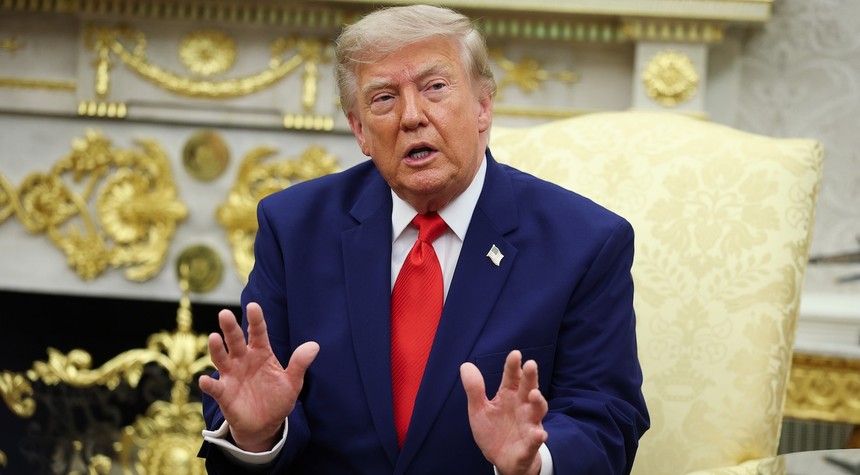
President Trump addressed the situation from the White House on Tuesday, insisting that Iran “desperately” wants ceasefire negotiations despite the continued exchange of strikes. However, the president made clear that American objectives remain unfulfilled. “We’re not finished,” Trump stated plainly. “We’re not leaving.”
The president’s words underscore a fundamental reality: the United States finds itself engaged in another Middle Eastern conflict with no clear exit strategy, mounting costs, and growing regional instability. As diplomatic talks continue alongside military operations, the American people are left to contemplate how long this latest war will endure and what ultimate price will be paid for whatever victory eventually emerges.
For now, seventeen American families mourn their fallen, global markets watch nervously, and the world waits to see whether diplomacy or further escalation will chart the course ahead.
Related: U.S. Conducts Tenth Night of Strikes on Iranian Targets Amid Rising Regional Tensions