
A dispute has emerged between the State Department and senior Senate Democrats over the timing and substance of a briefing on the Trump administration’s oil agreement with Venezuela, raising questions about both the substantive concerns surrounding the deal and the political maneuvering that has followed.
The facts, as they stand, are these: Four senior Democratic senators requested detailed information about a partnership agreement between North American Blue Energy Partners and the Department of Defense, which grants the Pentagon a 35 percent stake in one of Venezuela’s largest oil producers. The State Department maintains these lawmakers had known for weeks that administration officials intended to brief the Senate Foreign Relations Committee on October 1, 2026, and provide the requested documents on that date.
When the briefing was postponed, State Department Assistant Secretary for Global Public Affairs Dylan Johnson characterized the situation as “pure grandstanding,” suggesting Democratic lawmakers canceled the session to leave Washington early for fall recess. The department nevertheless delivered copies of the strategic partnership agreement to the committee offices, describing this action as a courtesy despite the briefing’s cancellation.
The administration has touted this Venezuela agreement as a significant achievement. President Trump has emphasized that the deal provides American access to approximately 65 billion barrels of Venezuelan oil, projecting that this arrangement will contribute to lower gasoline prices for American consumers.
However, the circumstances surrounding the briefing’s postponement are more complex than the initial State Department characterization suggested. Documents reveal that a Republican majority staffer on the Foreign Relations Committee actually initiated the postponement request, informing the State Department early on October 1 that the Senate had already departed and requesting the briefing be rescheduled for November. A State Department official confirmed the staffer was acting on behalf of the full committee.
A congressional source disputes the State Department’s broader narrative, asserting that lawmakers had not been informed the written agreement would be provided before they sent their initial request letter. Furthermore, this source indicates the briefing was intended to address broader United States policy toward Venezuela, not solely the specific oil partnership arrangement.
The underlying issue extends beyond scheduling conflicts. The agreement grants an unprecedented level of Defense Department involvement in a commercial oil venture, raising legitimate questions about the proper role of military institutions in energy partnerships and the strategic implications of deepening American ties with Venezuela’s oil sector.
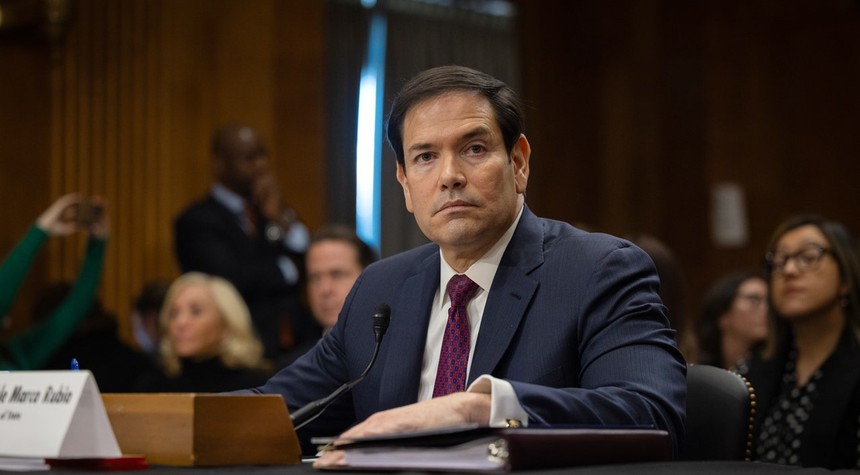
Secretary of State Marco Rubio has testified before the Senate Foreign Relations Committee regarding Venezuela policy, though the specific details of his testimony regarding the NABEP partnership remain part of the broader debate over transparency and congressional oversight.
What remains clear is that both parties share responsibility for the confusion surrounding this briefing. Republican leadership ended legislative business for the week, prompting senators from both parties to prepare their departures from Washington. The question of whether Democratic senators were grandstanding or legitimately seeking information they had not yet received cannot be fully answered without acknowledging that procedural decisions by both parties contributed to the briefing’s postponement.
The American people deserve a full accounting of agreements that involve Defense Department equity stakes in foreign oil production. Whether that accounting will occur in a spirit of genuine oversight or continued partisan recrimination remains to be seen. That is where matters stand this evening.
Related: U.S. Cooperation Leads to Arrest of Bolivia’s Top Prosecutor in Drug Trafficking Case