
The Islamic Republic of Iran has characterized last week’s trilateral defense agreement among Saudi Arabia, Pakistan, and Turkey as evidence of a fundamental shift in regional security arrangements, with Tehran officials pointing to what they describe as diminishing American influence across the Middle East.
At his weekly press conference Monday, Iranian Foreign Ministry spokesperson Esmaeil Baqaei stated that nations in the region “have realized that security is not a commodity that can be purchased from false brokers of security.” His remarks suggest Iran views the defense pact among three significant Muslim-majority nations as validation of its long-standing position that American security guarantees cannot be relied upon.
The question now facing observers is whether this represents a genuine realignment of regional power structures or merely rhetorical positioning by a government under considerable economic strain.
Baqaei also addressed the closure of the Strait of Hormuz, through which roughly one-fifth of global oil supplies traditionally pass. He stated unequivocally that reopening the vital waterway remains contingent upon Washington ending what Iran terms a blockade. While discussions continue with Oman regarding future shipping arrangements, Tehran has made clear that no resolution will occur until American economic pressure subsides.
Foreign Minister Abbas Araghchi further complicated the diplomatic picture Sunday by denying that formal negotiations with the United States are underway. While acknowledging “an exchange of messages through intermediaries,” Araghchi insisted this does not constitute negotiations. He stated there exists “no possibility” of resuming talks until Washington “compensates” for what Iran characterizes as violations of a previous memorandum of understanding.
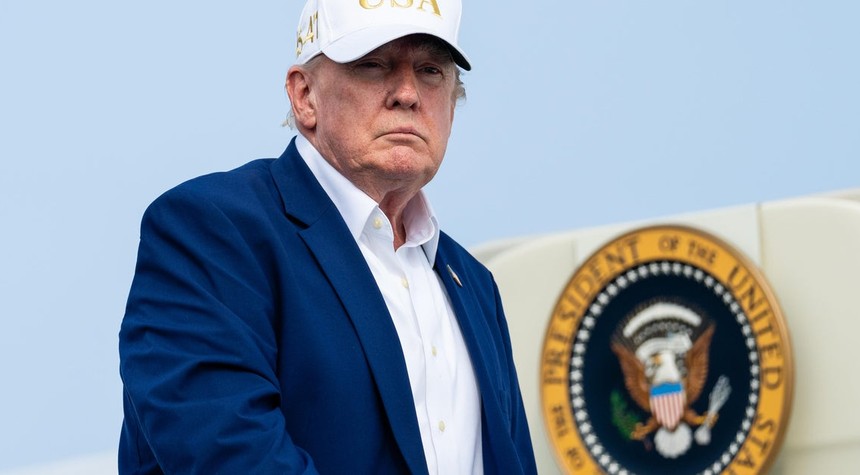
President Trump, however, appears content to maintain current pressure. In a Sunday interview, he described the American approach as “low-keying” negotiations, indicating a strategy of allowing economic hardship to work in America’s favor. The President noted Iran’s substantial inflation and depleted financial reserves, stating the nation is in “very bad shape” and that the Hormuz blockade has intensified economic difficulties.
“It will work out. It always works out. It’s like a chess game,” Mr. Trump said, projecting confidence in the administration’s approach.
The regional instability extends beyond diplomatic maneuvering. Iranian-backed Houthi forces in Yemen launched their second attack within twenty-four hours on the government-controlled port city of Mocha late Sunday. According to Houthi military sources, the strikes targeted weapons depots and Saudi military concentrations, though Yemeni government statements indicate residential areas suffered damage from ballistic missiles and drone strikes.
The earlier Sunday attack proved deadly, with the National Resistance Forces reporting at least seven fatalities, including four military personnel and three civilians, with fifteen additional civilians wounded. Fayed al-Noman, assistant undersecretary in Yemen’s information ministry, reported severe damage to port infrastructure, commercial goods, and food supplies.
These attacks underscore the broader instability gripping the region as diplomatic positions harden and economic pressures mount. The question remains whether sustained American economic pressure will indeed bring Tehran to acceptable terms, or whether alternative security arrangements will continue to develop outside the traditional American-led framework that has defined Middle Eastern geopolitics for decades.
The situation bears watching closely, as its resolution will likely shape regional dynamics for years to come.
Related: Korean Peninsula Remains Critical Security Concern Amid Global Tensions