
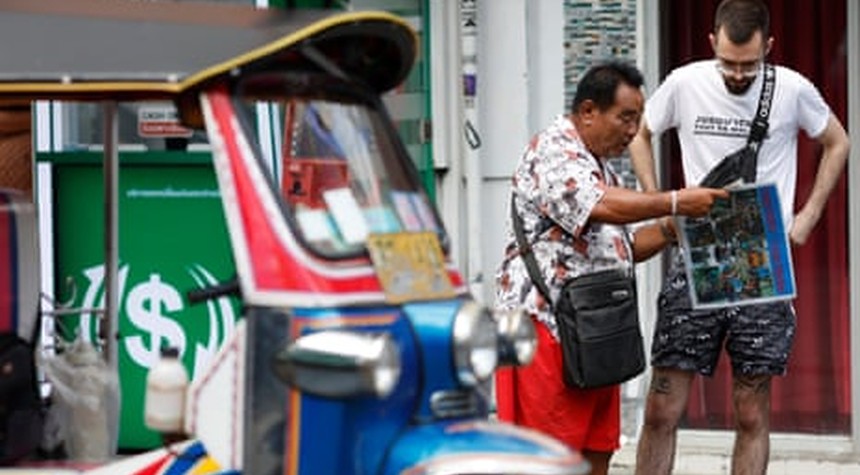
Thailand has announced a significant reduction in visa-free stay periods for tourists from more than ninety countries, reversing a policy that had granted sixty-day exemptions in favor of a more restrictive thirty-day allowance. The decision, officials stated Tuesday, stems from mounting concerns over criminal activity involving foreign nationals and widespread abuse of the immigration system.
The move affects citizens from ninety-three nations, including the United States, the United Kingdom, Australia, and the twenty-nine countries comprising Europe’s Schengen area. Under the revised policy, the number of countries eligible for visa exemptions will be reduced from fifty-seven to fifty-four, though authorities have not yet specified which nations will lose this privilege.
Government spokesperson Rachada Dhanadirek acknowledged the economic importance of tourism to Thailand while defending the policy change. Tourists provide substantial benefits to the economy, she noted, but the current framework has enabled exploitation by those seeking to circumvent proper legal channels.
The decision represents a delicate balancing act for Thailand, where tourism serves as a vital employment sector. The nation has struggled to restore foreign visitor numbers to pre-pandemic levels, making any restrictions on tourist access a potentially costly measure. Yet Thai officials have concluded that the risks posed by current immigration policies outweigh these economic considerations.
Public attention has increasingly focused on incidents involving foreign tourists engaging in criminal behavior, ranging from relatively minor offenses such as shoplifting to more serious violations including indecent exposure. Beyond these individual infractions, Thai authorities have expressed particular concern about foreigners overstaying their permitted time in the country and operating businesses illegally in popular tourism destinations without obtaining proper permits.
The issue extends beyond common criminal activity. Thai officials have cited evidence of transnational criminal organizations exploiting immigration laws to facilitate their operations within the country’s borders. Foreign Minister Sihasak Phuangketkeow emphasized last week that Thailand is not targeting any particular nation but rather individuals who abuse the visa system while committing crimes on Thai soil.
The new regulations will include provisions for visa extensions. Tourists may renew their thirty-day exemptions once by visiting an immigration office, according to government officials. However, unlike the automatic sixty-day period previously in place, these renewals will require approval from immigration officers, and tourists must provide justification for extended stays.
Mungkorn Pratoomkaew, director-general of the foreign ministry’s consular affairs department, stated that the revised rules aim to simplify the visa system and reduce confusion among international visitors. This streamlining effort suggests Thai authorities recognize the need to maintain the country’s appeal as a tourist destination while implementing stricter oversight measures.
The policy shift reflects a broader trend among nations reassessing immigration frameworks in response to security concerns and criminal activity. Thailand’s experience demonstrates the complex calculations governments must make when balancing economic interests against public safety and the rule of law.
Related: Putin Arrives in Beijing Days After Trump Departure as China Demonstrates Diplomatic Reach