
The European Union has suspended implementation of a significant trade agreement negotiated with President Donald Trump last summer, marking a serious deterioration in transatlantic economic relations.
Bernd Lange, chairman of the European Parliament’s international trade committee, announced Wednesday that work on the formal approval and implementation of the deal had been halted indefinitely. The decision represents a direct response to what European officials characterize as escalating threats to their sovereignty.
“Given the continued and escalating threats, including tariff threats, against Greenland and Denmark, and their European allies, we have been left with no alternative but to suspend work,” Lange stated. He made clear that no further steps would be taken “until the United States decides to re-engage on a path of cooperation rather than confrontation.”
The immediate catalyst for this suspension came Saturday when President Trump indicated he would impose tariffs on seven European Union member states, plus the United Kingdom, should they refuse to allow American control of Greenland, the autonomous Danish territory. Lange emphasized the gravity of the situation, noting that European sovereignty and territorial integrity were at stake.
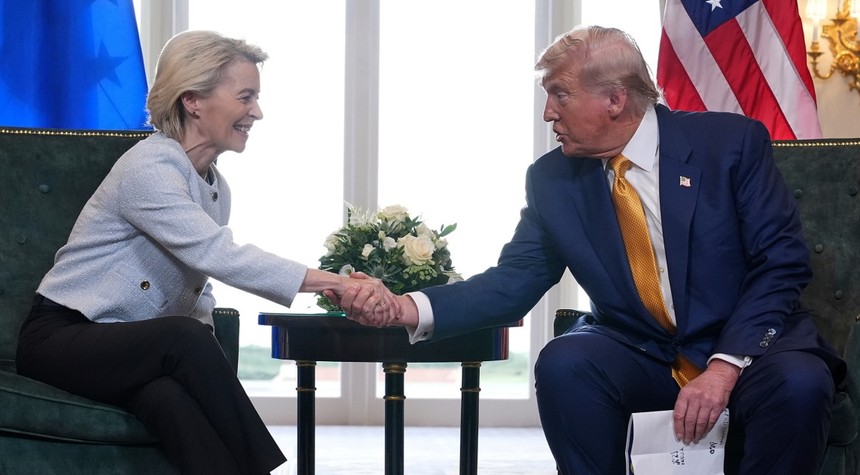
The trade agreement in question was negotiated in July during a meeting between European Commission President Ursula von der Leyen and President Trump at his golf club in Turnberry, Scotland. The accord represented what many viewed as a pragmatic compromise between the world’s two largest economic blocs.
Under the terms of the deal, the United States would have capped tariffs on most European Union imports at fifteen percent, among the lowest rates extended to any trading partner in the previous year. Certain categories, including generic pharmaceuticals from Europe, would have seen tariffs eliminated entirely.
In return, the European Union, which stands as America’s largest trading partner, agreed to reduce its own tariffs on select American goods. This arrangement would have opened new opportunities for American agricultural and industrial exporters seeking access to the twenty-seven-country European market.
The economic stakes are considerable. The trading relationship between the United States and European Union encompasses approximately one and a half trillion dollars in goods and services annually, making it one of the most significant commercial partnerships in the global economy.
The suspension of this agreement raises questions about the broader trajectory of American trade policy and its implications for longstanding alliances. The European response suggests that traditional partners are increasingly willing to take firm stands when they perceive their fundamental interests threatened, even at potential economic cost.
For American businesses that had anticipated improved access to European markets, the development represents an unwelcome setback. Agricultural producers and manufacturers who stood to benefit from reduced European tariffs now face continued uncertainty about their export prospects.
The situation also illustrates the complex interplay between geopolitical ambitions and economic partnerships. What began as a discussion about Greenland’s strategic importance has evolved into a confrontation that threatens to reshape transatlantic commerce.
Whether this represents a temporary pause or a more fundamental rupture in economic cooperation remains to be seen. Much will depend on how the administration responds to Europe’s decision and whether diplomatic channels can restore the momentum toward economic integration that appeared achievable just months ago.
Related: Global Markets Tumble as Trump Trade Threats Escalate Tensions with Europe