
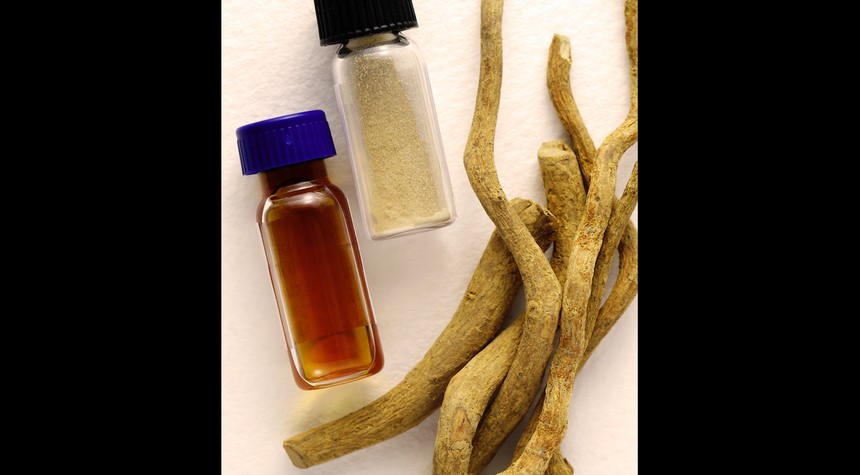
The Trump administration is preparing an executive order that would open federal pathways for research into ibogaine, a psychedelic compound currently banned in the United States but used abroad to treat post-traumatic stress disorder and traumatic brain injuries.
President Trump is expected to sign the order as early as this week, according to multiple sources familiar with the matter. The action represents a measured step toward understanding whether this naturally occurring substance from an African shrub holds genuine therapeutic value, particularly for America’s veterans struggling with the invisible wounds of war.
The administration has no plans to reclassify ibogaine from its current status as a Schedule I controlled substance, placing it in the same category as heroin and ecstasy. The drug will remain illegal for medical use. Instead, the executive order aims to facilitate federal funding for rigorous scientific study of the compound’s safety and effectiveness.
This is a sensible approach to a complex problem. Thousands of Americans, desperate for relief from conditions that conventional medicine has struggled to treat adequately, have been traveling to unregulated clinics in Mexico and the Caribbean to receive ibogaine treatments. These journeys carry inherent risks, as patients place themselves in the hands of practitioners operating outside any regulatory framework.
The push for ibogaine research has gained momentum at the state level. Texas Governor Greg Abbott signed legislation last year allocating fifty million dollars for research into the substance. That a conservative state would make such a substantial investment speaks to the growing recognition that alternative approaches to mental health treatment deserve serious scientific scrutiny.
One administration official characterized the government’s position candidly, stating that medical research into ibogaine remains in early stages, but that the administration wants to determine definitively whether the substance represents legitimate treatment or merely snake oil.
The scientific community has expressed cautious interest. Researchers suggest ibogaine could potentially address gaps in addiction treatment, particularly for opioid dependence, which continues to devastate American communities. However, they emphasize that large-scale clinical trials are essential before any conclusions can be drawn about safety or effectiveness.
The evidence base remains limited. Most existing research consists of small observational studies and open-label trials. Only one double-blind, placebo-controlled randomized clinical trial has been completed to date. More advanced trials are beginning, but results remain years away.
The risks are significant and cannot be dismissed. Ibogaine can cause dangerous heart rhythm disturbances that have proven fatal in some cases. Any responsible research program must account for these cardiovascular risks and establish appropriate medical protocols.
The details of how the federal government will facilitate this research remain under discussion within the administration. The executive order is expected to provide a framework, but implementation strategies are still being developed.
For America’s veterans, who have served their country with honor and returned home bearing psychological scars, the promise of effective treatment is paramount. This administration’s willingness to explore unconventional approaches, while maintaining appropriate skepticism and regulatory caution, reflects a commitment to leaving no stone unturned in that pursuit.
The question before us is straightforward: Does ibogaine work, and can it be administered safely? The scientific method provides the means to answer these questions. The executive order, if signed as expected, will ensure that American researchers have the resources and authorization to seek those answers.
Related: Two School Shootings in Turkey Leave Five Dead Within 48 Hours