
And that is the way it is this Wednesday evening, as Turkey grapples with an unprecedented crisis that has shaken the nation’s sense of security. Two school shootings within 48 hours have left five dead and dozens wounded, forcing a country unaccustomed to such violence to confront difficult questions about how these tragedies occurred.
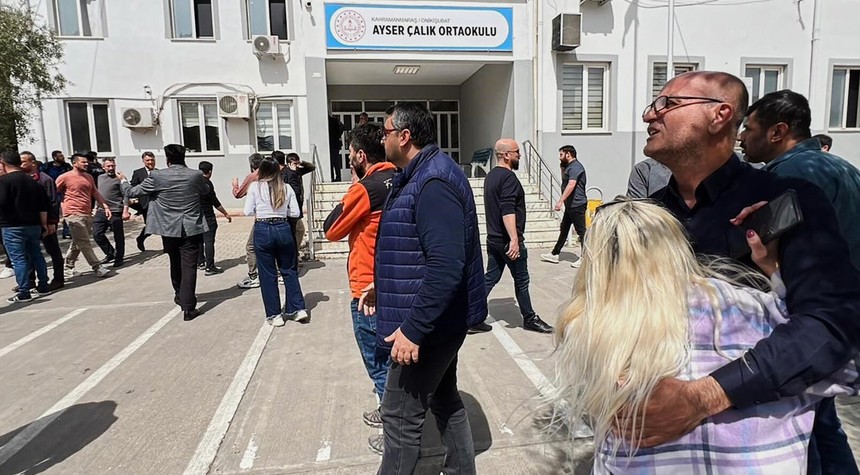
The facts are these: A 13-year-old student opened fire in a school in Kahramanmaras province Wednesday morning, killing a teacher and three fellow students before turning a weapon on himself. Twenty others were wounded, four of them critically. The young shooter, an eighth-grade student, had entered the building carrying his father’s weapons—five guns and seven magazines in total—concealed in a backpack.
Governor Mukerrem Unluer described the scene with measured precision. The student entered two classrooms and fired randomly at those present. Whether the shooter’s death resulted from suicide or occurred during the chaos remains under investigation. What is certain is that the son of a former police officer had gained access to a small arsenal that should have been secured.
This attack followed Tuesday’s shooting in Sanliurfa province, where an 18-year-old opened fire at his former vocational high school with a shotgun. Sixteen people were wounded, ten of them students, before the gunman killed himself when cornered by police. The motive in that case remains unclear, and authorities reported the attacker had no criminal record.
The images emerging from Kahramanmaras tell a story familiar to Americans but foreign to Turkish society. Tearful parents rushing to school gates. Ambulances lined up outside educational institutions. Students evacuated from buildings that should represent safety and learning. Witnesses reported hearing intense gunfire, a sound that has tragically become commonplace in American schools but has been mercifully rare in Turkey.
President Recep Tayyip Erdogan addressed parliament with a firm promise of accountability. Those found negligent or at fault will face consequences, he assured the nation. Police have detained one suspect connected to Tuesday’s attack and suspended four officials from duty. The Kahramanmaras school has been ordered closed for four days as investigators work to understand how these weapons reached young hands.
Turkey maintains strict gun control laws that require licensing, registration, mental health evaluations, and criminal background checks. Penalties for illegal possession are severe. Yet these regulations proved insufficient barriers when weapons already resided in homes, accessible to troubled youth.
Justice Minister Akin Gurlek announced immediate investigations into both incidents. The questions prosecutors must answer are difficult ones: How did a 13-year-old obtain five firearms? What warning signs were missed? Could these tragedies have been prevented?
For a nation where school shootings had been virtually unknown until this week, the shock runs deep. Turkey now joins a grim international community of countries forced to reckon with violence in their classrooms. The challenge ahead involves not only investigating these specific incidents but examining broader questions about weapon security, youth mental health, and the protection of educational spaces.
The wounded continue to fight for their lives in hospitals across both provinces, while families mourn losses that should never have occurred within school walls.
Related: Australia Commits $53 Billion Defense Increase Despite Falling Short of Trump Target