
The National Football League will make history this Sunday when the Pittsburgh Steelers and New Orleans Saints take the field in Paris for the league’s first game in France. They will do so against a backdrop of civil unrest that has left sections of the French capital scarred by overturned vehicles, burned storefronts, and ongoing demonstrations.
NFL Commissioner Roger Goodell announced Wednesday that he is traveling to France for the game and expressed confidence in the safety arrangements, citing direct communication with Secretary of State Marco Rubio. This represents coordination at the highest levels of American government for what is, fundamentally, a sporting event on foreign soil.
“We’re involved at the highest levels both in France on a global basis with our officials here, including a conversation with the Secretary of State a couple of days ago,” Goodell said at the conclusion of the Fall League Meeting in New York. “We’re continuing to make sure we have all the available information and that appropriate steps are being made. We’re guests in the country. We’re going to be good guests.”
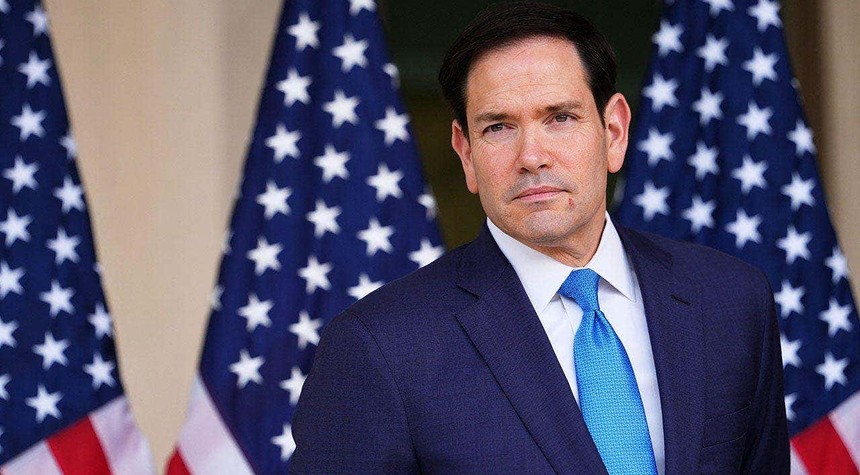
Secretary Rubio confirmed the conversation and provided his assessment of the situation. “Our embassy feels the game will be fine,” Rubio stated. “We have no indication the game will be impacted in any way.” The Secretary clarified that while he supports the game proceeding, he had never planned to attend regardless of recent events.
The assurances come as Paris continues to experience significant civil disorder. Reports from multiple French media outlets indicate a major protest is scheduled for Saturday, just one day before kickoff. The unrest has manifested in ways Americans more commonly associate with third-world instability: looted shops, burned restaurants, and vehicles set ablaze in the streets.
When asked directly about his comfort level with the situation, Goodell did not equivocate. “Very high is my comfort level,” he said. “Again, we’ve made all the preparations. We’ve been in touch with all the appropriate authorities. Protests are not unusual in France, as you know. And that’s something that we will be aware of and make sure that the appropriate arrangements are made.”
That final point bears examination. The commissioner is correct that France has a robust tradition of public protest, far more so than the United States. The French have historically taken to the streets over everything from labor disputes to fuel taxes. What Americans might view as alarming civil disorder, the French often consider a normal expression of political will.
Nevertheless, the question remains whether it is prudent to place American athletes, staff, and potentially thousands of American fans in a foreign capital experiencing active unrest. The NFL has clearly determined that the diplomatic and security apparatus is sufficient to proceed. The State Department, through Secretary Rubio, has endorsed this assessment.
The game represents more than athletics. It is part of the NFL’s broader international expansion strategy, an effort to grow the league’s brand and revenue streams beyond American borders. The league has successfully staged games in London and Germany. France represents a new frontier, and the NFL appears unwilling to let current events derail its carefully laid plans.
Whether this confidence is justified will be determined in the coming days. The world will be watching not just the game, but the stability of the environment surrounding it.