
The Trump administration released a comprehensive counter-terrorism strategy on Wednesday that delivers pointed criticism toward European allies, characterizing the continent as an “incubator” for terrorism driven by mass migration policies.
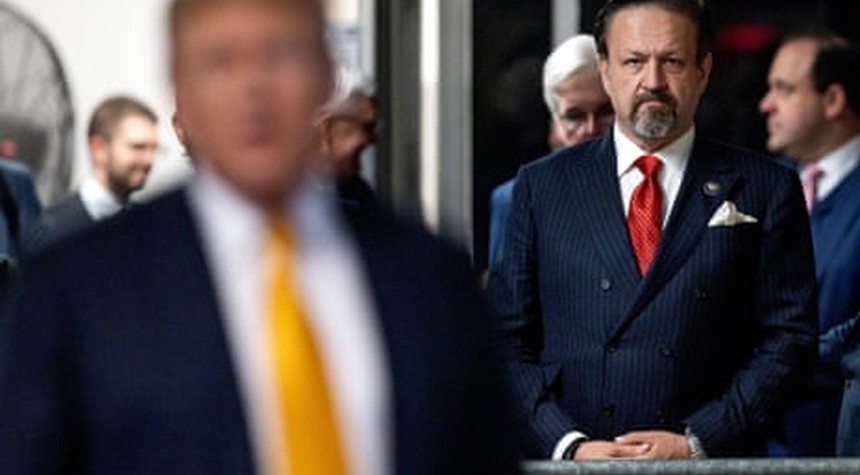
The sixteen-page document, coordinated by counter-terrorism chief Sebastian Gorka, marks a significant shift in how the United States publicly addresses security concerns among its traditional Western partners. The strategy employs unusually direct language in assessing Europe’s current trajectory, stating that “well-organised hostile groups exploit open borders and related globalist ideals.”
“As the birthplace of Western culture and values, Europe must act now and halt its willful decline,” the document declares, while acknowledging that European nations remain America’s “preeminent and long-term counterterrorism partners.” The assessment concludes that “the world is safer when Europe is strong, but Europe is greatly threatened and is both a terror target and an incubator of terror threats.”
This criticism arrives merely months after the administration’s national security strategy warned that Europe faced “civilizational erasure” due to immigration policies. The president has also expressed frustration with NATO allies over their response to American military operations against Iran.
Beyond Europe, the strategy places significant emphasis on drug cartels operating throughout the Americas. The administration has pursued an aggressive campaign in the Western Hemisphere, including the removal of Nicolás Maduro from power in Venezuela, dozens of military strikes against suspected cartel vessels, and increased pressure on Cuba’s communist government.
Since early September, American forces have conducted operations destroying alleged drug-trafficking boats in Latin American waters. These operations have resulted in 191 fatalities. The administration has simultaneously pressed regional leaders to intensify their own military actions against drug traffickers and transnational criminal organizations, which officials describe as an “unacceptable threat” to hemispheric security.
The strategy document also addresses domestic concerns, specifically targeting what it identifies as “violent Left-Wing Extremists, including Anarchists and Anti-Fascists.” The document includes references to “radically pro-transgender” groups among threats requiring attention, reflecting the administration’s broader political priorities.
Gorka informed reporters that administration officials would convene with allies later this week to discuss enhanced counter-terrorism cooperation. His message carried clear expectations for international partners.
“As the president made very clear, we will measure your seriousness as a partner and ally by how much you bring to the table,” Gorka stated, adding that the United States expects “more” from its partners moving forward.
The document’s release signals the administration’s intent to recalibrate counter-terrorism priorities around three principal concerns: European migration policies and their security implications, cartel operations in the Americas, and domestic extremist groups on the political left.
Whether European allies will accept this characterization of their immigration policies as terrorism incubators remains uncertain. The frank assessment places additional strain on transatlantic relationships already tested by disagreements over defense spending, trade policies, and military operations in the Middle East.
The strategy represents a departure from previous administrations’ approaches to counter-terrorism, which typically emphasized cooperation and avoided public criticism of allied nations’ domestic policies. This administration appears willing to challenge long-standing diplomatic conventions in pursuit of what it views as necessary security reforms.
Related: Shipping Crisis Deepens in Strait of Hormuz as Diplomatic Solutions Remain Elusive