
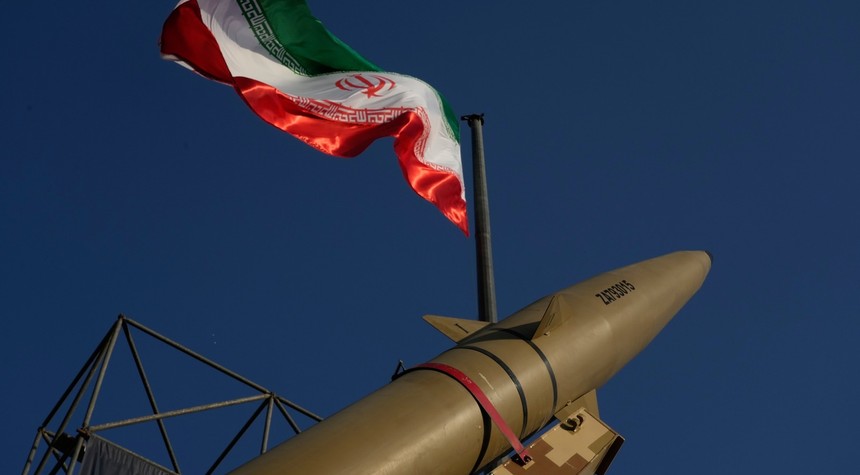
President Donald Trump stated this week that the United States maintains virtually total control of the Strait of Hormuz, the critical waterway through which a substantial portion of the world’s oil supply passes. This assertion comes amid an escalating conflict with Iran that began with major combat operations in late February and has claimed the lives of eighteen American servicemembers.
The military engagement commenced when the United States, in coordination with Israeli forces, launched extensive strikes against Iranian military installations, government facilities, and infrastructure targets. What followed was a period of diplomatic engagement, with American and Iranian delegations meeting in June to negotiate terms based on a memorandum of understanding both nations had signed. Those negotiations ultimately collapsed as both sides continued military operations, with the Strait of Hormuz emerging as the principal area of confrontation.
In August, the President announced what he termed a “crushing economic operation” designed to compel Tehran into submission. The administration has now implemented additional sanctions targeting entities and individuals allegedly supporting Iranian arms procurement networks. The State Department has designated this economic pressure campaign as Operation Economic Outcast, describing it as an “economic D-Day” against the Islamic Republic.
According to State Department officials, Iran has persistently attempted to acquire arms and related materials over the past year, expanding what they characterize as destabilizing activities in violation of restored United Nations measures. The newly imposed sanctions specifically target these procurement efforts and third-party entities that support Iran’s defense industry.
The President painted a dire picture of Iran’s current military posture, stating that the nation’s Navy, Air Force, and anti-aircraft capabilities have been effectively eliminated. He further claimed that Iran’s economy has deteriorated severely, with inflation exceeding three hundred percent. Trump asserted that oil flow through the Strait of Hormuz has reached historic levels in recent days, suggesting that American control of the waterway is enabling unimpeded commerce.
However, maritime security remains precarious. British maritime authorities reported that an oil tanker was struck by an unidentified projectile in the strait earlier this week, indicating that threats to commercial shipping persist despite American military presence.
When questioned about reconciling his self-described role as a president of peace with threats to destroy Iran, Trump offered a stark justification. He argued that eliminating Iran as a threat would establish global peace, expressing doubt that genuine peace could exist while the current Iranian government remains in power.
The President indicated that developments should be expected shortly, stating that the conflict would be resolved quickly. His comments suggest that significant military or diplomatic action may follow the upcoming midterm elections.
The situation presents substantial implications for global energy markets and regional stability. The Strait of Hormuz serves as a chokepoint for international commerce, and sustained conflict in this area threatens economic interests far beyond the immediate combatants. The international community watches closely as this confrontation unfolds, aware that miscalculation in these confined waters could precipitate broader consequences.
And that is the way it is.
Related: British Police Release Five Terror Suspects Near American Air Base Despite Finding No Explosives