
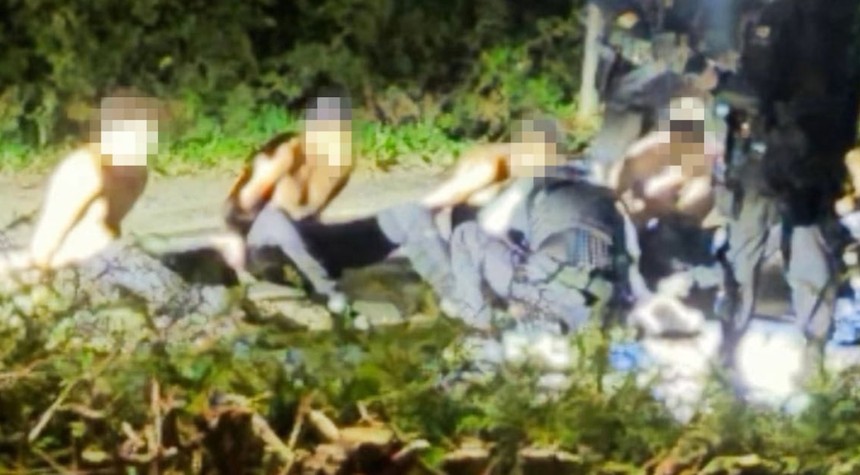
British counter terrorism authorities confirmed Tuesday that no explosive devices were discovered in vehicles searched following the arrest of five men near Royal Air Force Station Fairford, a critical facility utilized by the United States Air Force for conducting strike operations against Iran.
The development marks a significant turn in what began as a major security incident in the Cotswolds, a typically tranquil rural region roughly ninety minutes west of London. All five suspects, arrested on terrorism and explosives charges, were released on bail Monday, a decision that has drawn scrutiny from American officials.
Laurence Taylor, Britain’s head of counter terror policing, provided an update explaining the investigative trajectory. Authorities recovered a quantity of gasoline from three vans near the air base, he stated, but extensive examination of those vehicles by military assets and forensic experts yielded no improvised explosive devices. Additional searches were conducted at properties in London.
The decision to release the suspects on bail was characterized by Taylor as “an investigative decision grounded in experience and careful considerations of policing powers.” To date, no charges have been filed against any of the five men, all British nationals in their twenties.
This measured approach by British authorities stands in contrast to the assessment offered by American officials. President Donald Trump, speaking from the Oval Office Monday, expressed surprise at the decision to grant bail. The president stated plainly that he would not have released the suspects under similar circumstances.
Trump did acknowledge cooperative relations between American and British investigators, noting that United States officials possessed comprehensive information about the suspects. Secretary of State Marco Rubio went further, asserting the incident “clearly involves the hands of a foreign actor,” though British officials have not confirmed this characterization.
The five men were apprehended Sunday after three vehicles were observed moving toward RAF Fairford. The arrests, made on suspicion of offenses under the Explosives Act of 1875 and preparation of a terrorist act, triggered a major incident declaration that disrupted the normally quiet community.
British law enforcement operates under distinct custody regulations. While police can typically hold suspects for twenty-four hours before charging or releasing them, terrorism arrests allow for detention without charge for up to fourteen days. The decision to release these suspects on bail suggests authorities require additional time to develop their investigation while the extended custody period has been exhausted.
Max Hill, a former Director of Public Prosecutions of England and Wales, noted the investigation appears to be developing, with the custody clock for the terrorism arrest having stopped. This procedural reality points to uncertainty about whether terrorism charges will ultimately be filed.
The incident has drawn attention to RAF Fairford’s strategic importance. The base serves as a staging point for American military operations, including recent strikes against Iranian targets. The proximity of the suspects to such a sensitive facility, combined with the initial nature of the charges, explains the robust response by British counter terrorism forces.
The contrasting responses between American and British officials highlights differing approaches to terrorism investigations and suspect detention. As the investigation continues, the fundamental question remains whether sufficient evidence exists to support terrorism charges against the five released men.
Related: Sweden’s Social Democrats Abandon Coalition Talks After Socialist Left Party Breaks Ranks