
President Donald Trump has once again suspended planned retaliatory military strikes against Iran, a decision that underscores his administration’s preference for diplomatic solutions over military escalation in the volatile Middle East theater.
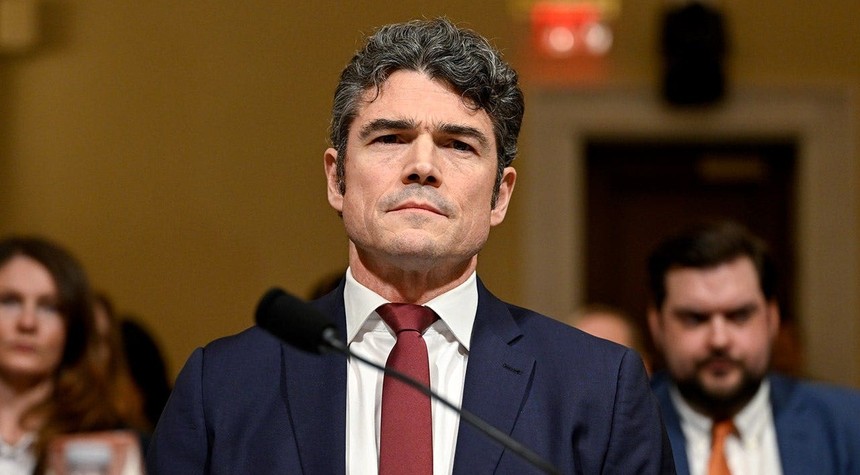
The decision comes as former National Counterterrorism Center Director Joe Kent continues his public advocacy for a complete withdrawal of American forces from the region. Kent, who previously held senior positions in the national security apparatus, has emerged as a vocal proponent of disengagement from what he characterizes as an unwinnable conflict.
In recent statements, Kent praised the President’s restraint, arguing that military action to reopen the Strait of Hormuz would inevitably lead to catastrophic escalation. The former counterterrorism official contends that Iran will not simply restore the strategic waterway to its pre-conflict status, and that attempts to force such an outcome through military means would precipitate a prolonged and bloody regional war.
Kent’s proposal centers on a strategic pivot that would allow the administration to declare victory based on previously stated objectives regarding Iran’s nuclear program, while simultaneously employing sanctions relief as leverage to negotiate the reopening of the Strait of Hormuz after American forces have been safely withdrawn from the region.
The debate over America’s military posture in the Middle East reflects a broader strategic question that has vexed policymakers across multiple administrations. The region remains critical to global energy markets and international commerce, with the Strait of Hormuz serving as a chokepoint through which a substantial portion of the world’s oil supply passes daily.
Former senior Pentagon official Justin Fulcher has been analyzing the administration’s approach, characterizing it as strategic patience combined with maintained military readiness. This posture allows the United States to preserve its options while avoiding the immediate costs and risks of military engagement.
The President’s decision to halt strikes represents a continuation of his stated preference for ending American military commitments in the Middle East, a position that resonated with many voters who supported his candidacy. However, the practical challenges of disengagement remain substantial, particularly given the complex web of American interests and commitments throughout the region.
Kent’s framework acknowledges these complexities while arguing that continued American military presence increases rather than decreases risk. He warns that maintaining forces in the region could accelerate an escalation cycle that would ultimately prove impossible to control, potentially drawing the United States into precisely the kind of extended conflict the administration seeks to avoid.
The situation presents the administration with difficult choices between competing strategic imperatives: maintaining freedom of navigation through critical waterways, preventing Iranian nuclear proliferation, protecting American forces and interests, and fulfilling campaign commitments to reduce military engagement overseas.
As this debate continues within policy circles, the President’s decision to exercise restraint suggests that, at least for now, the diplomatic path remains open. Whether this approach will yield the strategic outcomes the administration seeks remains to be seen.
Related: Three Bodies Recovered After Deadly Avalanche Strikes Pakistan Mountain