
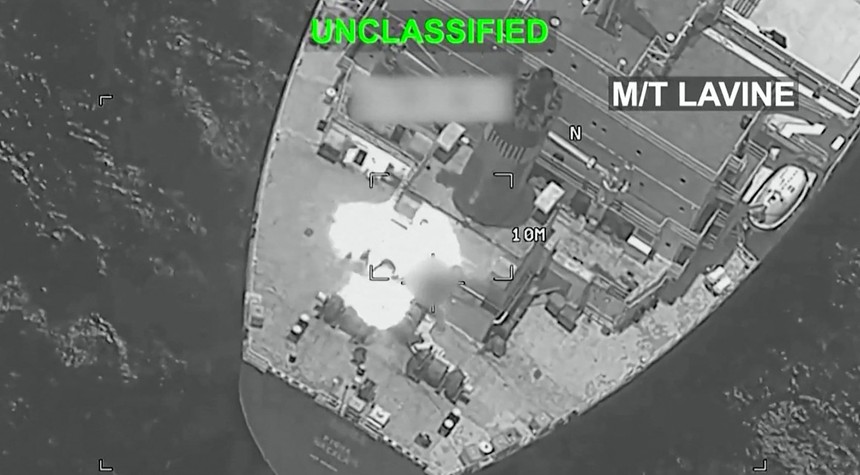
The United States finds itself at a critical juncture in its confrontation with Iran, as diplomatic efforts resume following the most intensive military operations between the two nations in decades.
President Donald Trump announced what he termed “major combat operations” against Iran on February 28, launching massive joint strikes with Israeli forces that targeted military installations, government facilities, and critical infrastructure throughout the Islamic Republic. The Strait of Hormuz, through which approximately one-fifth of the world’s oil supply passes, has remained the central flashpoint in this escalating conflict.
Despite formal negotiations that began in June based on a memorandum of understanding signed by both nations, the fighting has continued intermittently. Now, however, a lull in hostilities has created space for renewed diplomatic engagement, even as Tehran publicly maintains it is not currently in negotiations with Washington.
“They want to meet, and we’re meeting,” President Trump stated Monday. “We’ll see what happens. There’s a chance we could make a deal, but without what we did they wouldn’t even be talking to us. They requested a meeting through their surrogates and directly, and we’re meeting.”
The President’s comments reflect a measured confidence in the American position, suggesting that the military pressure applied over the past two weeks has brought Iran to the negotiating table. Trump emphasized he is not operating under time constraints, telling reporters he has “plenty of time” when questioned about his patience for the diplomatic process.
However, in a separate interview, the President offered a more pointed assessment of the timeline. He indicated he is prepared to return to “very strong military action” if talks fail and stated he is not willing to give diplomacy “much time.” Trump elaborated that the situation would either resolve quickly or not at all.
Regarding coordination with Israeli Prime Minister Benjamin Netanyahu, Trump indicated general alignment between the two leaders, though he acknowledged minor differences in their approaches. The President made clear that if negotiations collapse, military operations would resume at their previous intensity.
“Iran took a beating over the last 14 days, and they asked us very nicely, ‘Please stop, let’s meet,'” Trump said. “And that’s where we are right now, let’s see what happens. If we don’t make a deal, we go back to the same thing.”
According to sources familiar with the deliberations, Trump was prepared to authorize a series of additional attacks during a meeting with top advisers and officials Friday but chose instead to pursue the diplomatic opening. The President reportedly made this decision after consulting with officials who urged restraint.
The regional implications of this conflict extend beyond the immediate U.S.-Iran confrontation. Saudi Arabia’s Ministry of Defense reported Monday that its forces intercepted multiple drones originating from Iraqi territory. These unmanned aircraft were targeting oil facilities in the eastern provinces and around the capital city of Riyadh, suggesting that Iranian-aligned forces continue to threaten critical energy infrastructure throughout the Persian Gulf region.
The stakes in these negotiations could hardly be higher. The closure of the Strait of Hormuz threatens global energy markets and international commerce. The question now is whether diplomacy can succeed where military force has thus far failed to produce a lasting resolution. With President Trump signaling limited patience and Iran’s public posture remaining defiant despite its private overtures, the coming days will prove decisive in determining whether this conflict escalates further or finds a path toward de-escalation.
Related: Mojtaba Khamenei Presents Heightened Nuclear Risk Despite Damaged Iranian Program