
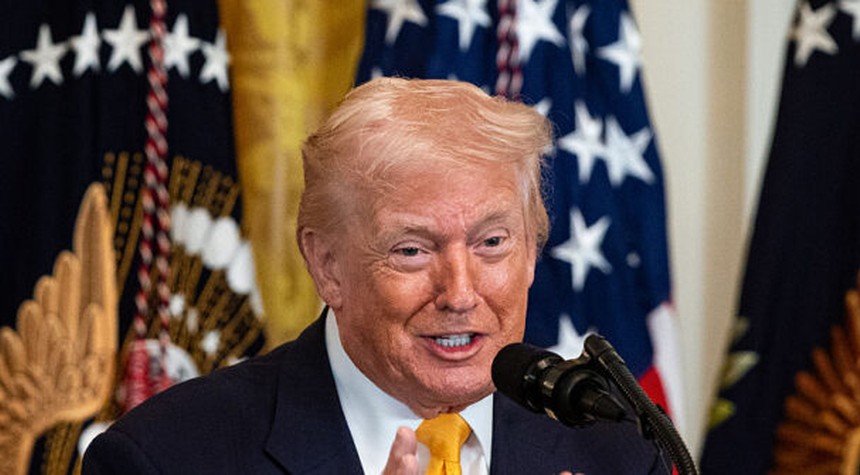
President Donald Trump has directly challenged Britain’s plan to transfer sovereignty of the British Indian Ocean Territory to Mauritius, calling the proposed deal a “blight” on the United Kingdom that threatens Western security interests. The intervention has reportedly caused Prime Minister Keir Starmer’s government to reconsider the timing and wisdom of proceeding with the controversial arrangement.
At the heart of this diplomatic dispute lies one of the world’s most strategically important military installations. The British Indian Ocean Territory includes Diego Garcia, an atoll that hosts a joint American-British military base critical to operations throughout the Indo-Pacific region. The facility has served as a launching point for operations in the Middle East and provides essential capabilities for monitoring Chinese naval expansion in contested waters.
The proposed transfer would see Britain relinquish sovereignty over territory it has controlled for decades, paying Mauritius to accept the handover. This arrangement has struck many observers as extraordinary, representing one of the rare instances in modern history where a nation pays another to accept its territory.
President Trump’s characterization of the deal as capitulation to “wokeism” and misguided adherence to international legal pressure reflects a broader concern among Western security officials. The arrangement originated from international court opinions suggesting Britain’s continued control of the territory violated decolonization principles. Critics argue that Prime Minister Starmer, known for his internationalist outlook, has prioritized abstract legal theories over concrete national security requirements.
The strategic implications extend beyond Britain’s interests. American military planners have expressed concern about the arrangement’s potential to complicate base operations or introduce uncertainty into long-term defense planning. While Mauritius has indicated willingness to maintain current base agreements, the introduction of a new sovereign authority inevitably creates complications where none previously existed.
The political dimensions within Britain have proven equally contentious. Prime Minister Starmer has invested considerable political capital in advancing this agreement, despite mounting domestic opposition and questions about the wisdom of voluntarily surrendering strategic territory. Parliament was scheduled to consider legislation implementing the treaty next week, but the President’s intervention has apparently prompted a pause in that timeline.
This development represents the latest example of President Trump’s willingness to directly engage with allied governments on matters he views as affecting American interests. The approach has occasionally generated diplomatic friction, but it has also succeeded in forcing reconsideration of policies that might otherwise proceed without adequate scrutiny.
The fundamental question remains whether Britain will prioritize abstract claims about historical justice and international legal opinion over the practical requirements of Western security architecture. The British Indian Ocean Territory may be remote and sparsely populated, but its strategic value in an era of great power competition cannot be overstated.
As this situation develops, it serves as a reminder that sovereignty and security remain intertwined in ways that transcend legal abstractions. The decision Britain ultimately makes will reflect not only its view of its own interests but its understanding of its role in maintaining stability across vital maritime regions. That is the way it is.
Related: American Naval and Air Forces Deploy to Middle East in Show of Strength Against Iran