
In what marks a significant development in the decades-long effort to recover art stolen during the Holocaust, legal representatives for Jewish families filed two lawsuits this week in California courts seeking the return of paintings currently displayed in prominent museums.
The legal actions represent the first claims filed under recently enacted legislation, both at the state and federal level, which expand the ability of Holocaust victims’ heirs to pursue restitution for artworks forcibly confiscated from Jewish families during the Second World War.
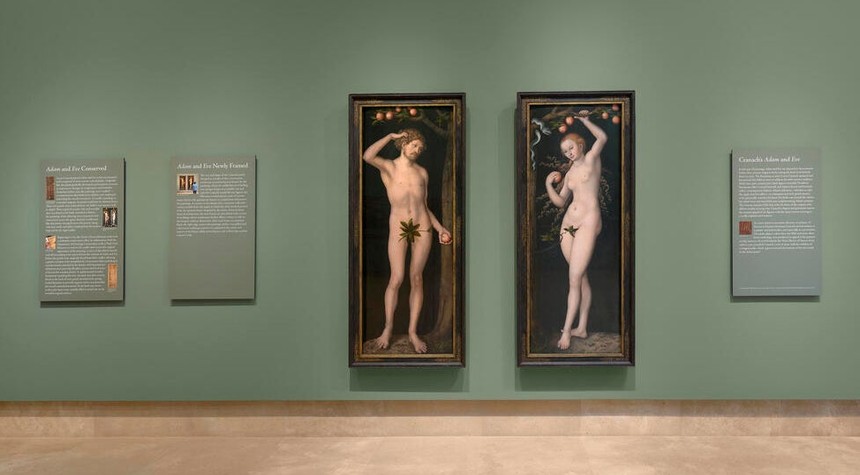
The first lawsuit was filed Monday in Los Angeles Superior Court by the Jewish Federation of Greater Los Angeles and its board chair Daniel Gryczman. The plaintiffs seek the return of two life-size oil-on-panel masterpieces, “Adam and Eve,” created by Lucas Cranach the Elder in 1530. These works currently hang in the Norton Simon Museum in Pasadena.
The second action, filed the same day in federal court, involves watercolor paintings currently held at the Auschwitz museum in Poland. The lawsuit was brought by the daughters of Dinah Gottliebova Babbitt, a Holocaust survivor who later worked as an animator in California. Mrs. Babbitt was imprisoned at Auschwitz, where she was compelled to paint portraits of fellow prisoners for Josef Mengele, the Nazi physician known as the “Angel of Death.”
Representatives for both museums maintain that their institutions hold legitimate title to the works and intend to continue displaying them for public viewing. Neither lawsuit specifies the monetary value of the paintings in question.
The broader issue of Nazi-looted art remains one of the most complex and emotionally charged matters in international law and museum ethics. Between 1933 and 1945, the Nazi regime conducted what historians recognize as the largest organized theft of cultural property in recorded history, seizing more than 600,000 works of art across occupied Europe from Jewish families, collectors, and cultural institutions.
Today, many of these masterpieces reside in museums throughout the world, transforming what might appear to be straightforward property disputes into complicated legal battles involving questions of historical preservation, institutional legitimacy, and moral obligation.
The Los Angeles case involves artwork originally owned by Jacques Goudstikker, a Dutch Jewish art dealer whose collection was confiscated by Hermann Göring, Adolf Hitler’s second-in-command. The paintings changed hands multiple times over subsequent decades before being purchased in the 1960s by the Pasadena Museum of Modern Art, later renamed the Norton Simon Museum.
Marei von Saher, the sole heir to the Goudstikker collection, has assigned her legal rights to the Jewish Federation of Los Angeles. Rabbi Noah Farkas, president and chief executive of the federation, stated that the organization plans to direct the majority of proceeds from any recovered artworks toward supporting the approximately 2,500 Holocaust survivors currently living in the Los Angeles area.
“These are incredibly beautiful European masterpieces stolen from a Jewish family to enrich the Nazi party and fund the war and death machine against the people,” Rabbi Farkas said. He described it as an honor to pursue these claims on behalf of the community, with the goal of helping elderly survivors “live out the last years of their lives in dignity, comfort and peace.”
The passage of new legislation strengthening restitution claims suggests that American courts may see additional cases of this nature in coming months. The outcomes of these initial lawsuits could establish important precedents for how the United States addresses the continuing legacy of Nazi cultural theft.
Related: Fiji Declares National HIV Emergency as Infection Rate Climbs to Alarming Heights