
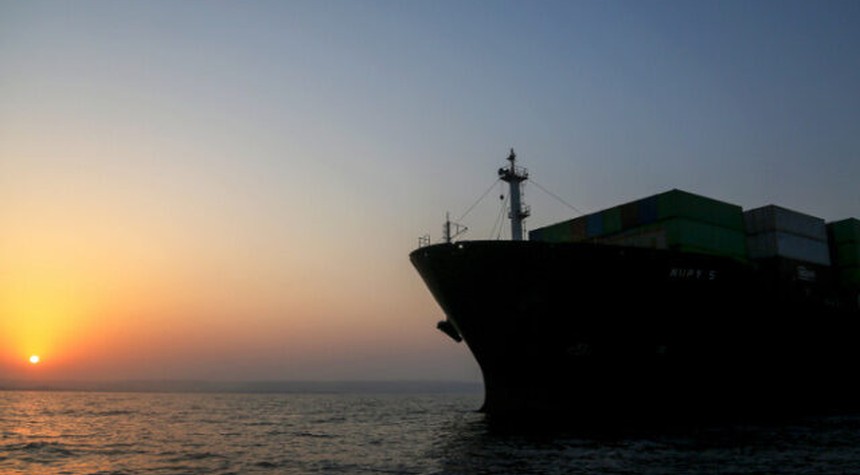
American military forces have facilitated the transit of more than one billion barrels of crude oil through the Strait of Hormuz while maintaining what commanders describe as a complete blockade of Iranian oil exports, according to statements from U.S. Central Command on Saturday.
Admiral Brad Cooper, commander of CENTCOM, reported that American forces have provided coordinated protection for more than 2,000 commercial vessel transits through the critical waterway in recent months. The admiral characterized the achievement as evidence of building momentum in the region’s maritime security operations.
The volume of crude oil, cargo, and liquefied natural gas moving through the strait over the past two weeks has reached levels exceeding any point in the six months since hostilities commenced on February 28, Cooper stated. The primary transit lanes remain clear of mines following extensive clearance operations completed in late August.
“Over one billion barrels of crude have been shipped from Gulf partners through the Strait of Hormuz, and Iran has exported zero barrels, thanks to our ironclad blockade,” Cooper said in his video update.
The announcement follows what CENTCOM termed a major operational milestone in August, when American forces completed the removal of Iranian sea mines from internationally recognized transit lanes. Those mine-clearing operations, conducted over several months, were described as having been carried out meticulously and with minimal public attention by forces across multiple branches of the U.S. military.
The dual nature of American operations in the region presents a complex picture of naval power projection. While expanding protected commercial traffic through Hormuz, U.S. forces have simultaneously maintained strict enforcement measures against Iran. CENTCOM reported Friday that American forces had redirected 105 commercial vessels to ensure compliance with the blockade, effectively cutting off Iranian oil exports through the waterway.
Military commanders have characterized these missions as separate but simultaneous objectives: restoring freedom of navigation through Hormuz for international commerce while preventing trade from entering or leaving Iranian ports.
The naval blockade operates in concert with Operation Economic Outcast, the Trump administration’s comprehensive campaign to eliminate Tehran’s remaining economic resources. This effort targets the financial channels, sanctions-evasion networks, and oil-smuggling operations that generate revenue for the Iranian government.
Cooper indicated that CENTCOM maintains operational coordination with all six Gulf Cooperation Council nations, as well as American government agencies, insurance companies, and shipping firms, to further increase legitimate traffic through the strait.
Regional security cooperation extends beyond maritime operations. CENTCOM is working with partner nations to strengthen air defense capabilities and establish what officials describe as a new coalition attack drone unit, responding to intensifying missile and drone threats across the broader region.
The strategic situation remains volatile. On Saturday, the Saudi-led coalition reported intercepting a Houthi ballistic missile targeting Riyadh. The Iran-backed Houthi forces separately claimed responsibility for missile and drone attacks on what they described as sensitive sites in the Saudi capital, while reports emerged of flames and black smoke visible in the area.
The Strait of Hormuz serves as one of the world’s most critical maritime chokepoints, through which approximately one-fifth of global oil supplies typically pass. The successful protection of commercial shipping while enforcing economic pressure represents a significant test of American naval capability and regional partnership.
Related: Trump Signs Sanctions Bill Targeting Russia’s Energy Trade and War Financing